
I’m running a series of workshops at Spudworks gallery in The New Forest next spring. If you’d like to join us for a 6 week course learning about photography with a group of wonderful people, then you can find out more and sign up here: Photography Workshops at Spudworks Gallery

Is being an artist a selfish act or does it help others?
Like all the best questions, there isn’t an objective answer, but it’s something I have been asking myself recently, prompted by a wonderful episode of Lights Out on BBC Sounds. My desire to create, my need to explore ideas, to find solutions to creative problems and share what I make with the world can often feel like it’s entirely for me. There’s a fine balance to be had in terms of making work for one’s self or making it for an audience. I would suggest that at the point of making work for an audience, you have lost the essence of what you truly want to create, it’s up to each artist to distil their influences, processes and skills into something that satisfies their own creative desires.
This doesn’t always render itself as a commercially viable outcome, in fact it’s unlikely to. The idea that we live in a meritocratic world, particularly when it comes to art, in which the ‘best’ work rises to the top is something that the vast majority of artist’s can't afford to live by. So commercially, it can be very hard to justify, but just because it might not be a profit making practice, it doesn’t mean that the work isn’t helping others. Just through its existence a piece of art is a demonstration that we each have a unique vision of the world, something to say or share which may portray an idea or thought which someone else has struggled to know how to say or present through their own means, almost like a question that they didn’t quite know how to ask. There is solace in knowing that someone else wants to ask the same questions as you. That is a beautiful and unifying thing.
So I would suggest that art is both selfish and helpful, gratifying for the artist in its process of creation, but then up to them to find an audience that will connect and engage with the world to allow it to be helpful. To that end, there seem to be very few straight or quick paths, patience and persistence are certainly required, but in continuing the process of making, the vision sharpens, the voice becomes clearer and both the artist and the audience have a great sense of the questions that the work may be asking of us, even if we have to accept that we may not know the answers.

This article is taken from my November Mailout which also features some of my latest news and cultural highlights.
To receive it directly to your inbox each month, sign up here.
Searching Beneath The Silence - Artist Book
Searching Beneath The Silence - Artist Book

A contemplation on loss, exploring the potential of the eternal through the beauty and fragility of spiritual and natural spaces.
"It is only in the silence that you can hear God’s voice. Maybe." - Jon Fosse
“There is no standing still, no heavenly moment outside of time to love
and mourn and languish before history starts up again.” - Brian Dillon
Three Volumes - Edition of 50
001 - 48 pages / 002 - 44 pages / 003 - 24 pages
A5 Staple Bound - Printed on Palamino Grain 120gsm by Print.Work
Cased within doubled greyboard covers, bound with fabric tape and oversized elastic band
A7 Cover Tip-In Print - Printed on Silk 300gsm by Printed.com
Includes two exclusive A6 prints - Printed on G.F. Smith Gmund Cotton 300gsm
Pre-Order Book Here


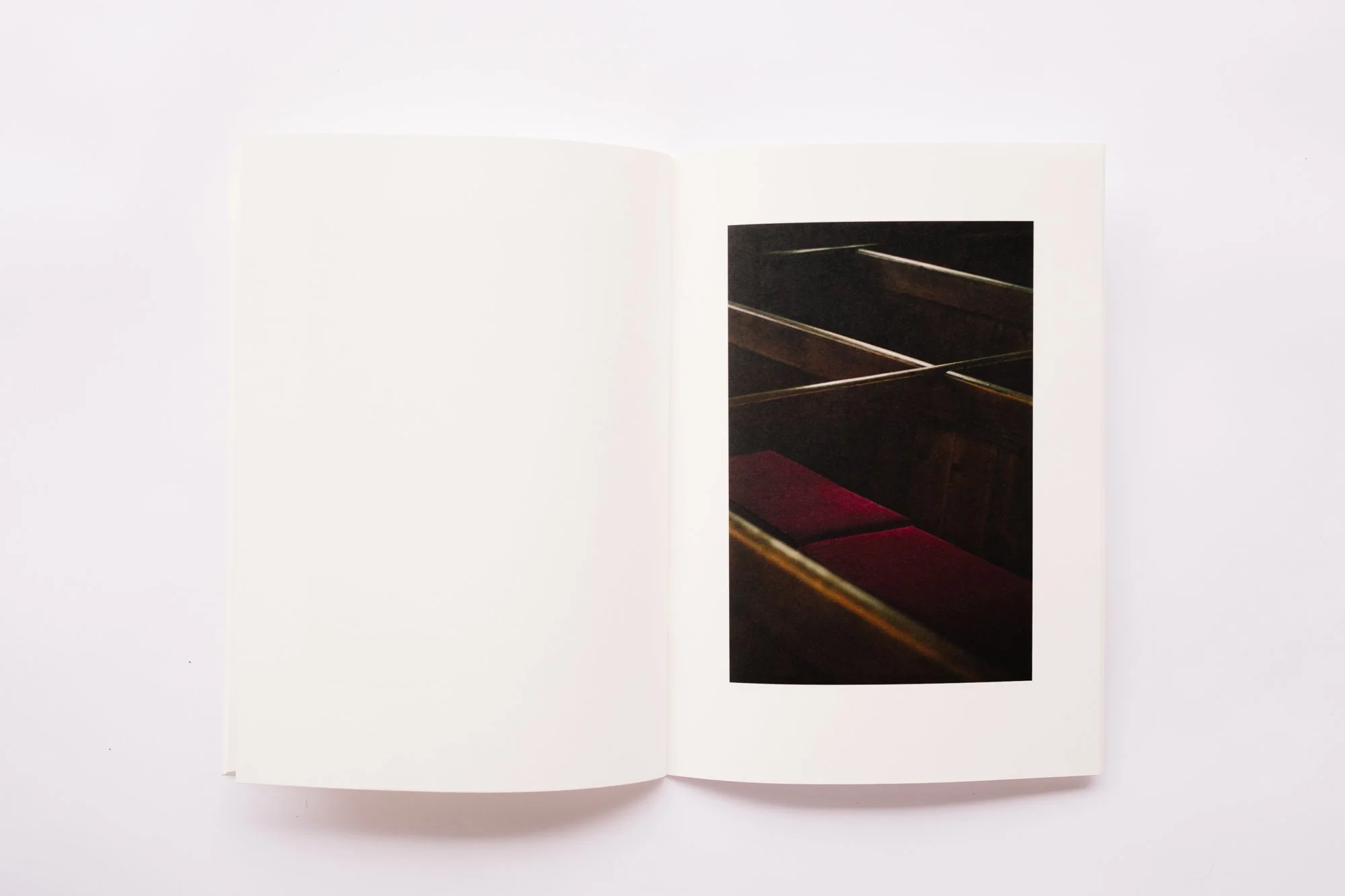


Searching Beneath The Silence - Print Edition
12”x8” Hahnemuhle PhotoRag 308gsm
Choose from 6 images below


The more you give, the more you have - Love Thy Neighbour


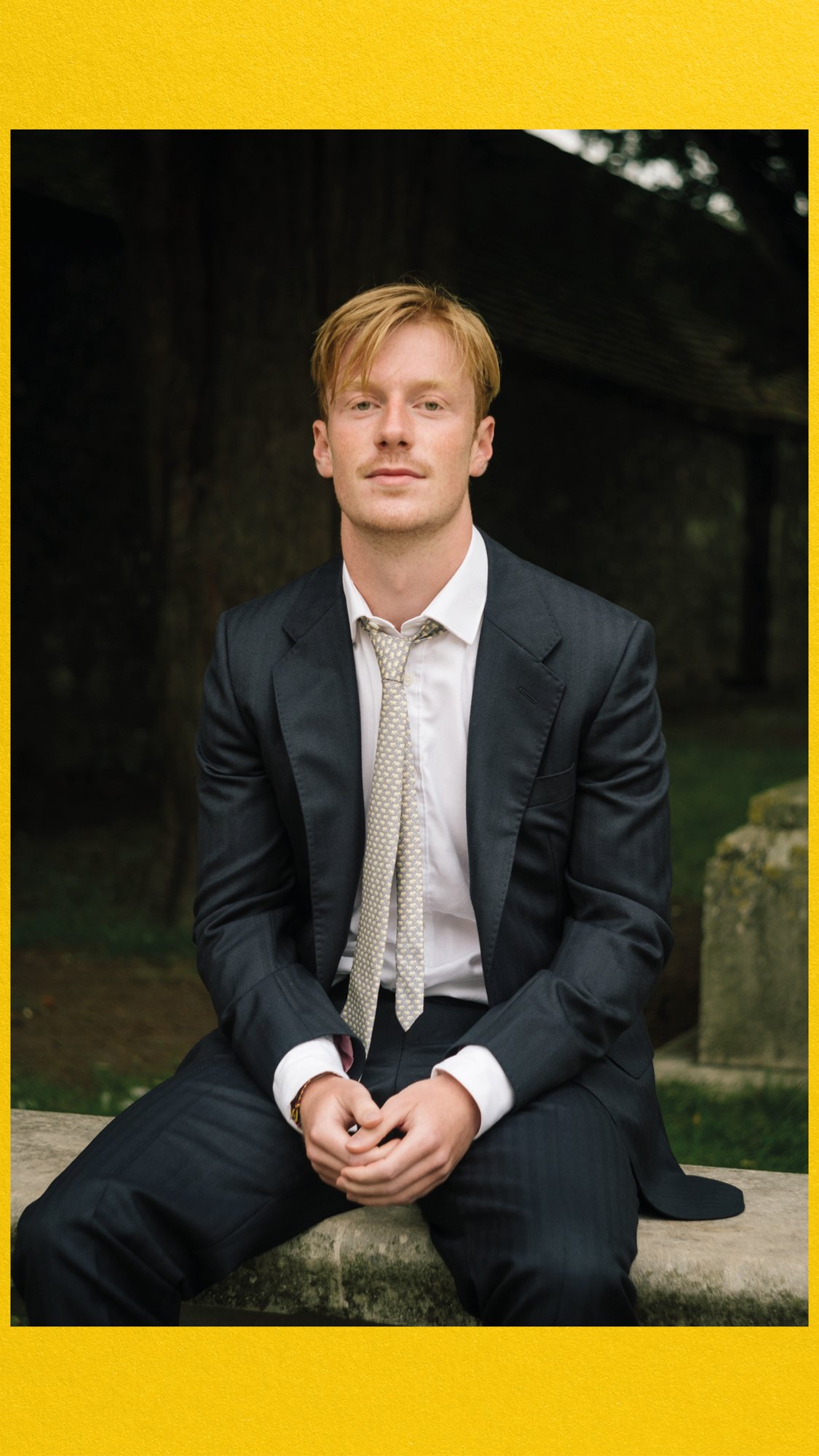
Over the past couple of years, I have been exploring the notion of kindness through my project ‘Love Thy Neighbour’, within which I create a chain of portraits, with each participant selecting the next because they have shown them kindness. It allows those involved too openly acknowledge the generosity and support that they have experienced from someone else.
The idea is simple, but the way in which we engage with our local and global communities will often lead us to assume the worst in humanity. I wanted to affirm the idea that actually we are all inherently good, perhaps all hurting in our own ways, but to acknowledge that if we believe the good in one another, it is more likely to be a reality for all of us.
The kindness that we show one another is often altruistic, something for which we do not anticipate a reward or even a response, but in reading more about the act of being kind, it seems clear that the positives of a generous act go far beyond benefitting only the recipient. The more you give, the more you have.
David Robson writes in The Guardian, “A wealth of new studies has shown that being kind to others is often the most effective means of suppressing the physiological and psychological stress response. Whether we are giving our time to a charity, “paying it forward” in a coffee shop, or providing emotional succour to a friend in need, altruism can boost our wellbeing in ways that we simply do not experience from treating ourselves. Other-care, it seems, is often one of the best forms of self-care.”
Dutch writer Rutger Bregman agrees. In his book ‘Humankind: A Hopeful History’ he explores some of the physiological experiments upon which we base our understanding that humans are inherently selfish and have gone on to form ur economic and social models would have us believe that we are all striving for the top at any cost. But in digging deeper, he finds flaws in each of them, instead leaning into a hope for a new realism in which our natural state for doing good can come to the fore.
“The story goes that the philosopher Thomas Hobbes – who famously argued that people are fundamentally selfish – was once strolling around London with a friend, when he stopped suddenly to give a beggar some money. His friend was surprised. Hadn’t Hobbes himself said that it’s in our nature to be selfish? The philosopher didn’t see a problem. Witnessing the beggar’s suffering caused Hobbes discomfort, so it felt good to give the man a few coins. Ergo, his action was motivated by self-interest.”
“For the last couple of centuries, philosophers and psychologists have racked their brains over the question whether there is such a thing as pure selflessness. But to be honest, that whole debate doesn’t really interest me. Because just imagine living in a world where you got a sick feeling every time you performed a kind act. What sort of hell would that be?”
“The wonderful fact is that we live in a world where doing good also feels good. We like food because without food we’d starve. We like helping because without each other we couldn’t survive either. Doing good typically feels good because it is good.”
It says a lot about our current social state that we are even required to make this observation, but in order to feel like there is hope for the future, we need to assume two things, firstly that we are all significant enough to make a difference to one another, whether that’s within our own households, at work or within a passing interaction. We also need to assume the best in each other.
I am delighted to present the latest iteration of Love Thy Neighbour, a commission from the United Church Winchester to celebrate their 50th anniversary. The exhibition, which opens later this week, includes a series of 15 portraits made over the summer, each supported by quotes from participants about their interactions in both receiving and giving kindness.
The intention is not to portray a chain of transactions or shine a light on particularly worthy stories, the participants are a self selecting group and therefore demonstrates the cohesion of the broader community and their commitment to one another.
My hope is that this project through its various ongoing forms invites us all to consider the presence of kindness in our lives, where we are able to both give and receive it, and to be close enough to those around us to know when support might be needed.
You can see the whole project on my site here: Love Thy Neighbour

“I think it's made me realise that I don't think I've ever had anybody highlight the value of kindness. I think it's really important, because in our culture we value intelligence, we value hard work, we value wealth and success. So, kindness doesn't really come into any of those traditional categories, does it?” - Susan
“I do think that the whole world works a lot better when you're kind to each other, rather than if you're selfish and grabbing what you can at other people's expense. If you help somebody else, whether or not you get help back, it's made the place better.” - Steve


“I think kindness is completely inherent in human nature. It doesn't require theology or belief, and I've found there's so much kindness that doesn't depend on anything except people recognising each other's humanity and responding to it.” - Penny
This article is taken from my September Mailout which also features some of my latest news and cultural highlights.
To receive it directly to your inbox each month, sign up here.
There Is A Time For Everything

In 2017 I had the fortune and privilege of working with Hong Kong based artist Samson Young as part of the Manchester International Festival & Jerwood Arts Fellowship. I got to spend around two weeks with Samson as he explored narratives around ancient migration from China and brought them to life through a series of dramatic radio performances and a multi-dimensional installation, both of which I was invited to contribute to through playing drums and a commissioned photographic print.
Observing and collaborating with Samson taught me many things, namely what a multi-talented creative genius he was, but the thing that has stuck with me was the notion that there is more than one way to explore an idea. Through his abilities to exploit different media, he was able to portray the narrative and concept through a multitude of physical and sensory experiences for the audience to engage with.
This is an idea that I have tried to carry through into my own artistic practice, stopping myself from assuming that the answer to any project conception was to simply go and photograph it, and to consider whether there might be a more appropriate medium to explore and present the idea.
This way of thinking led to the development of my project Taking Time, weekly editorials from writers about the concept of time, which went on to inspire my books ‘Dear Kairos’ and ‘Dear Kronos’. It has also influenced the ways in which I have tried to engage audiences through the exhibitions of Loved&Lost.
Part of this process has involved me acknowledging to myself that we are allowed to be inconsistent. Our social worlds, both physically and online, want us to be easily definable. When we meet for the first time we ask each other what we do for a living in order to understand who they are and subconsciously categorise them into the type of person who does that type of work. Online, we are encouraged to present consistent versions of ourselves that don’t waver or deviate from what people might expect of us. We build a language through words and images to show what we might feel is a true, yet highly curated, picture of who we are that doesn’t include all the messiness and inconsistencies of life.
Creatively, I know that I would be far easier to commission if my output had a more consistent visual language, and as an artist I want to explore an idea based on its own merits, which is leading me towards collaborations with other artists and craftspeople in order to bring the work to life.
To that end, for the first time this year, I’ve felt ready to create a physical piece of work outside of my usual world of books and exhibitions. So I am very glad to present ‘There Is A Time For Everything’, a sculpture created from Lakeland slate, to be viewed cyclically as an allusion to eternity and the time we afford one another. Inspired by my sister Jess, one of her favourite songs and her generous heart.
The sculpture is an edition of 10, available through my website, as well as a photographic art print (below) of the work photographed in the nearby River Itchen, an edition of 50. Find out more about the sculpture and the art print here.

‘There Is A Time For Everything’ - Sculpture
Dark Lakeland slate from Burlington Quarry
Unpainted V-cut lettering
Riven natural surface (sealed) with smooth honed edges
30cm (approx. diameter) x 3cm (approx. Depth)
Edition of 10

‘There Is A Time For Everything’ - A3 Photographic Art Print
Photographed in the River Itchen, Hampshire
A3 (29.7 cm x 42 cm / 11.7 in x 16.5 in)
Hahnemühle Photo Rag 308gsm Archival Art Paper
Edition of 50
Making Space to Fail
Growing in enough wisdom to embrace the idea of accepting failure is a well explored trope in the creative world.
Knowing that there is undoubtedly areas in which we fall fowl of our own standards is something that the late great Paul Auster acknowledged in his Art of Fiction interview with The Paris Review...
"You can never achieve what you hope to achieve. You can come close sometimes and others may appreciate your work, but you, the author, will always feel you’ve failed. You know you’ve done your best, but your best isn’t good enough. Maybe that’s why you keep writing. So you can fail a little better the next time."
This may sound like quite a defeatist attitude, but as one who was wise enough to accept it as part of his work, it became a driving force for his writing, to continue reaching, learning and be a little better next time.
The reason that accepting failure can feel like such a radical idea is because we are socialised to remove it from our lives when possible. Through school we are taught to succeed, to tick the boxes and move on. I get frustrated when something doesn't go to plan, my inclination is to either try and solve the problem or to leave it. What I am less inclined to do is to let it lead me in a different direction, to learn from it and consider how my boxed off idea of what I wanted to achieve could be far more of a constraint than I'd imagined. Perfection is the enemy of progression after all.
Growing to accept it is one thing, but embracing it is another. How many of us leave or even create space for failure in our creative processes or in other areas of our lives?
Canadian-American artist Jessica Stockholder speaks about these ideas in her interview with Louisiana Channel
“I think people are too concerned about not making mistakes. Being right. Getting the answer right. Passing the test. We’re not taught to be invested in the process. I don’t think I make mistakes in my art because I take advantage of them.”
What if we not only began to view mistakes as an opportunity, but made space for them to happen, to take a risk and see where it might lead us. A shift in focus, a welcome derailing, a gift.

This article is taken from my May Mailout which also features some of my latest news and cultural highlights.
To receive it directly to your inbox each month, sign up here.
Love Thy Neighbour
“Once the realisation is accepted that even between the closest human beings infinite distances continue, a wonderful living side by side can grow, if they succeed in loving the distance between them which makes it possible for each to see the other whole against the sky.” ― Rilke Rainer Maria

The twenty-first century is socialising us to believe that we can exist happily on our own. As our dependence on technology reduces our reliance upon one another, this stress inducing alienation has encouraged a mental health crisis to creep into so many of our lives. Amidst the exorbitant cost of daily life there are so many people struggling in silence.
We are gradually losing the space, time and opportunities to talk, to share our woes, fears and tribulations. The communities that we used to live alongside, celebrate with and mourn with are drifting apart, separation brought upon us through generational changes in attitudes to work and education.
When we are removed from each other the weight on each of us gets heavier, a problem shared is a problem halved, as the old saying goes and that takes vulnerability from both sides.
There is a greater need for inquisitive lips that know the moment to ask the questions that no-one else wants to ask and listening ears that are ready to receive without judgement.
We tell ourselves that we don’t have the resources and the time, but is it just that we don’t care enough?
To begin with, can we set free our generosity of spirit? Simple acts of kindness, loving gestures, a compliment or a welcoming smile. Can we move beyond the transaction to get below the surface, let each other into our lives and support others as we in turn let ourselves be supported.
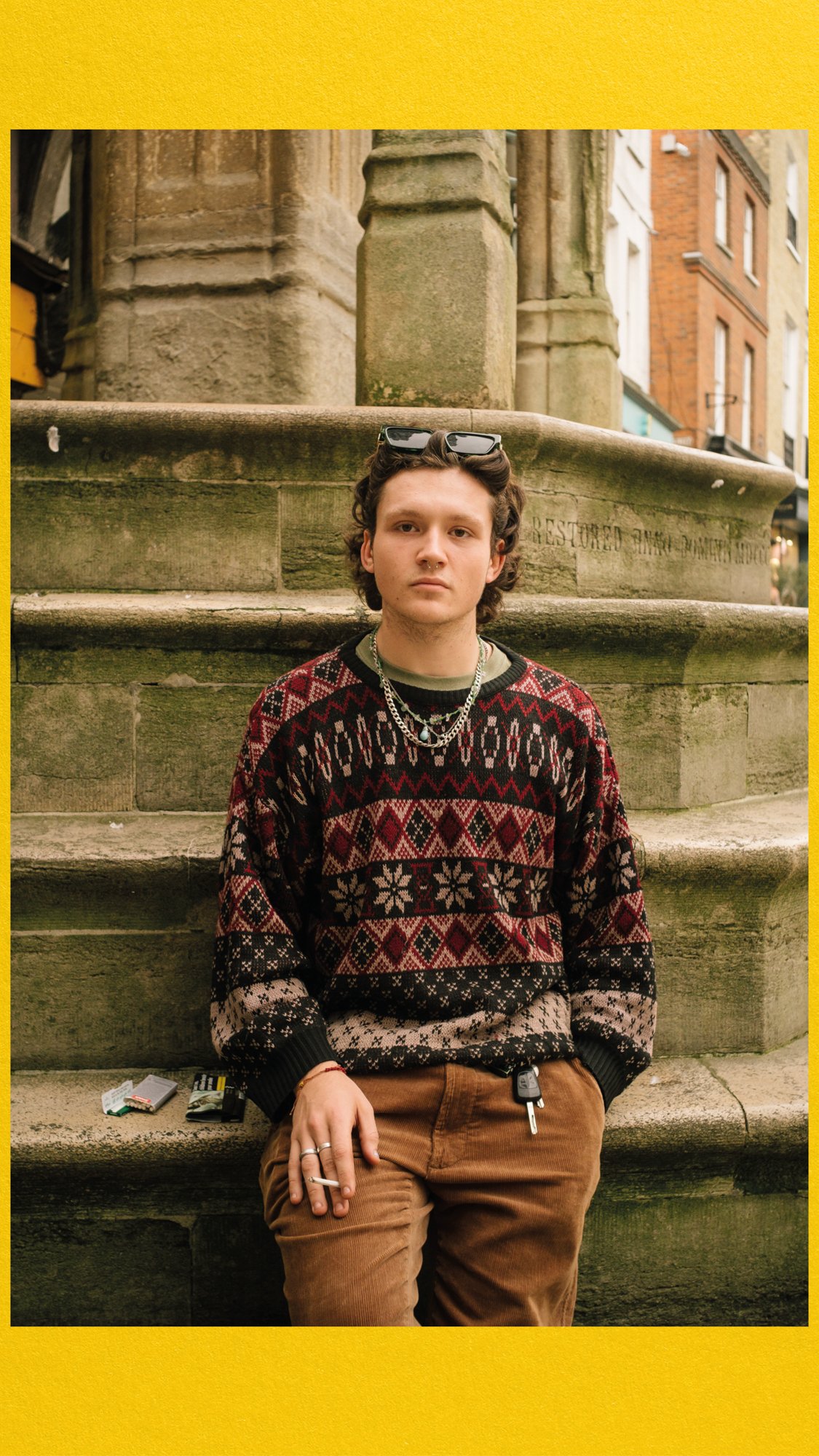
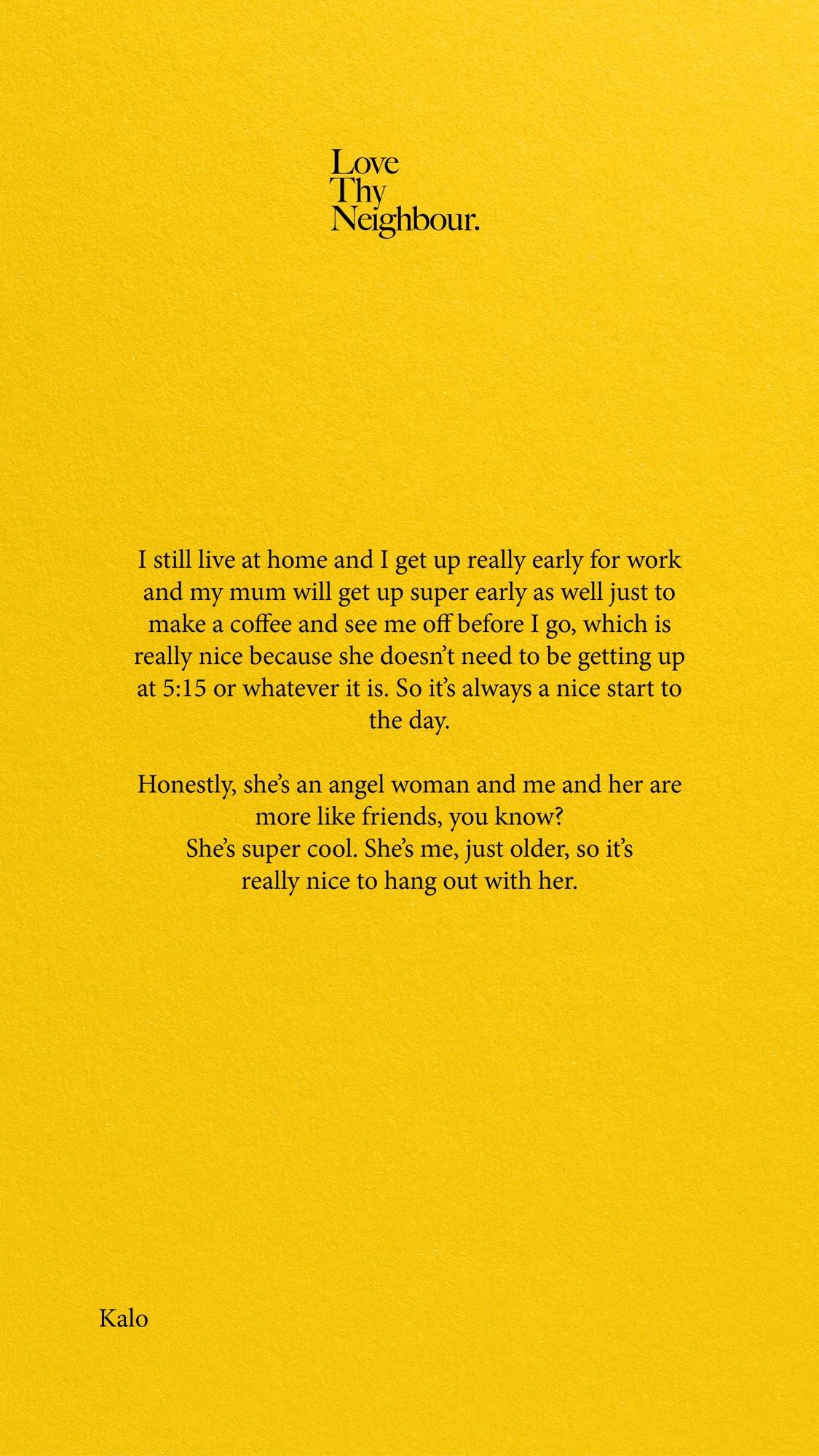
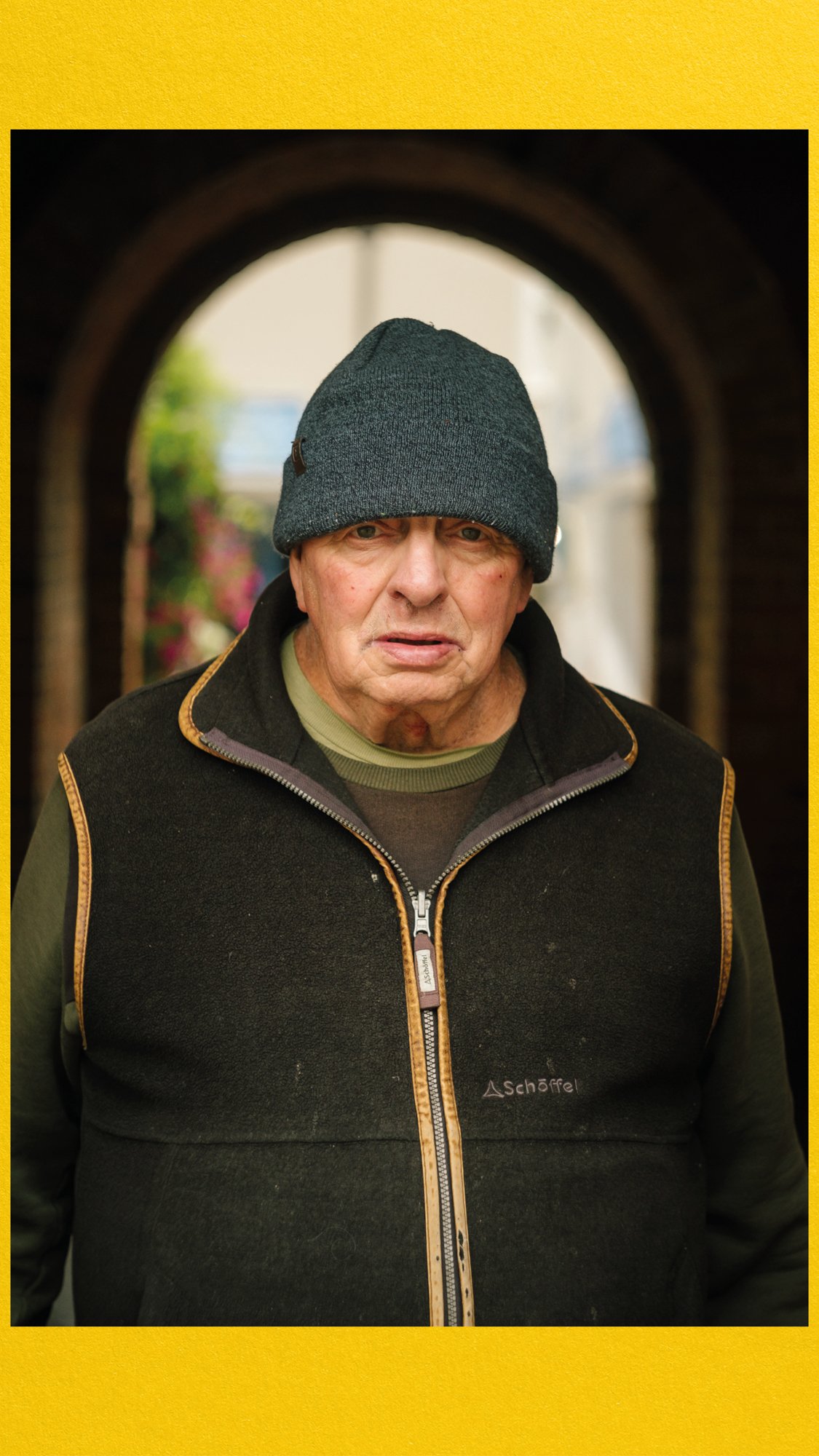
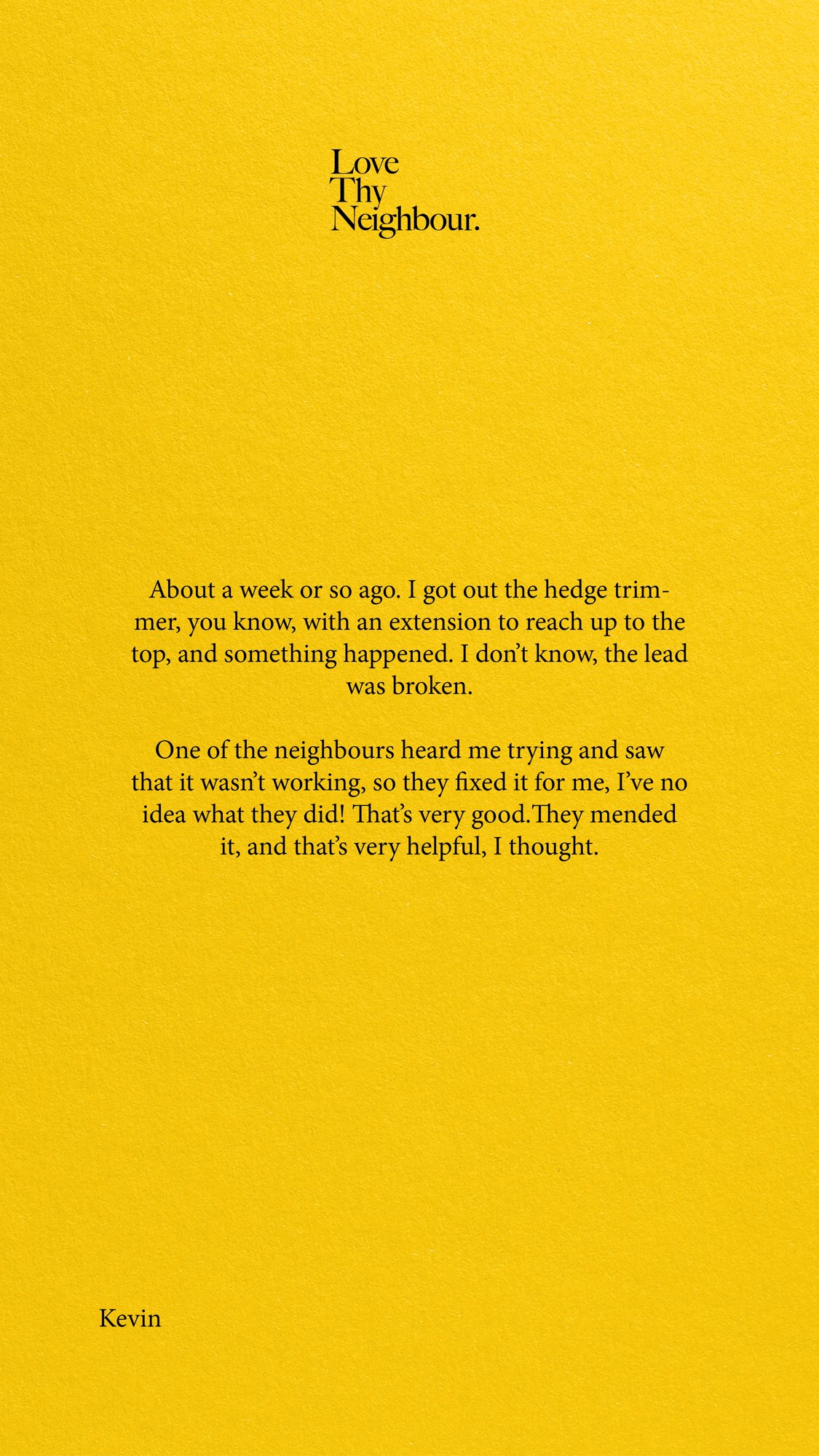
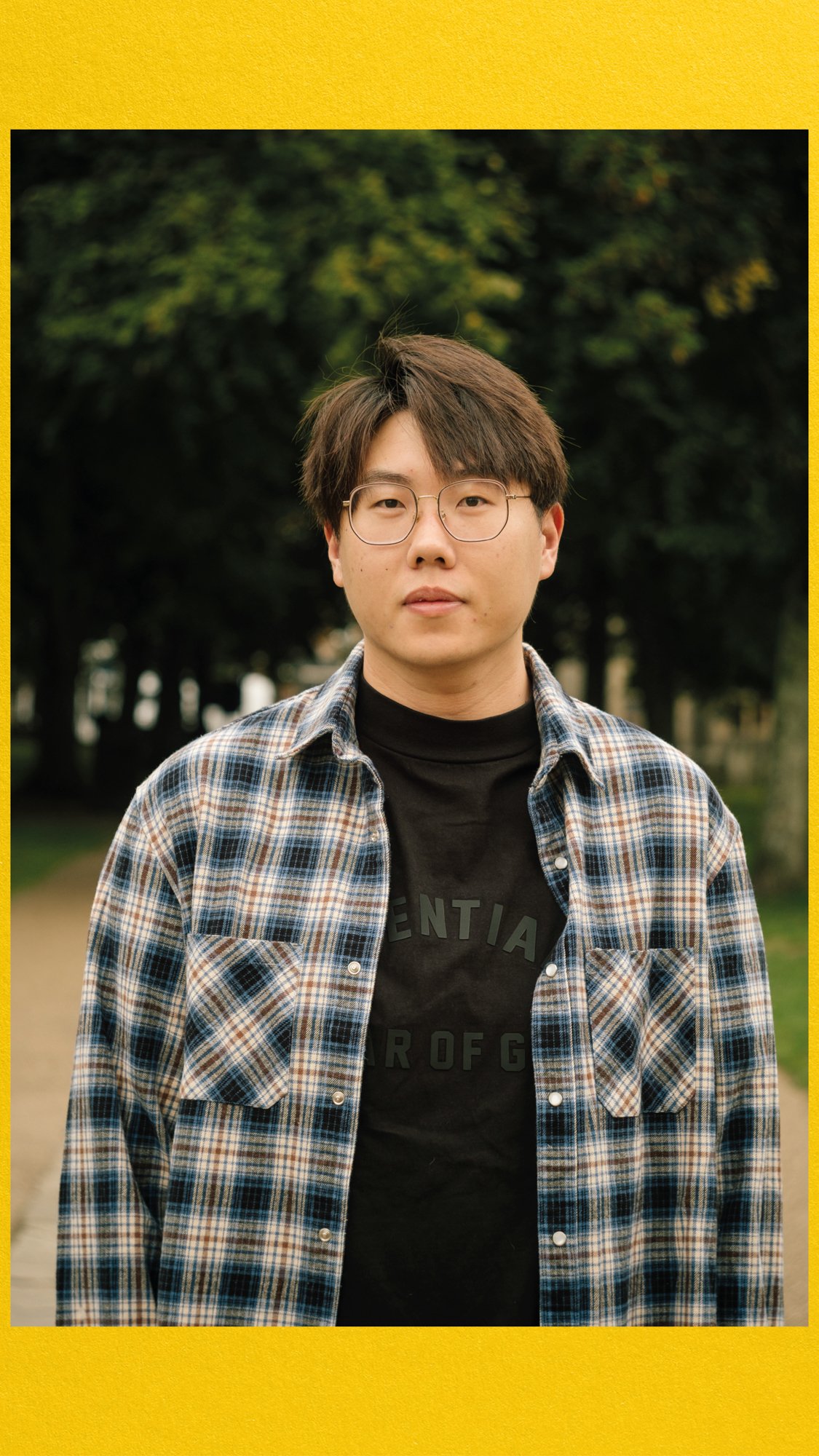
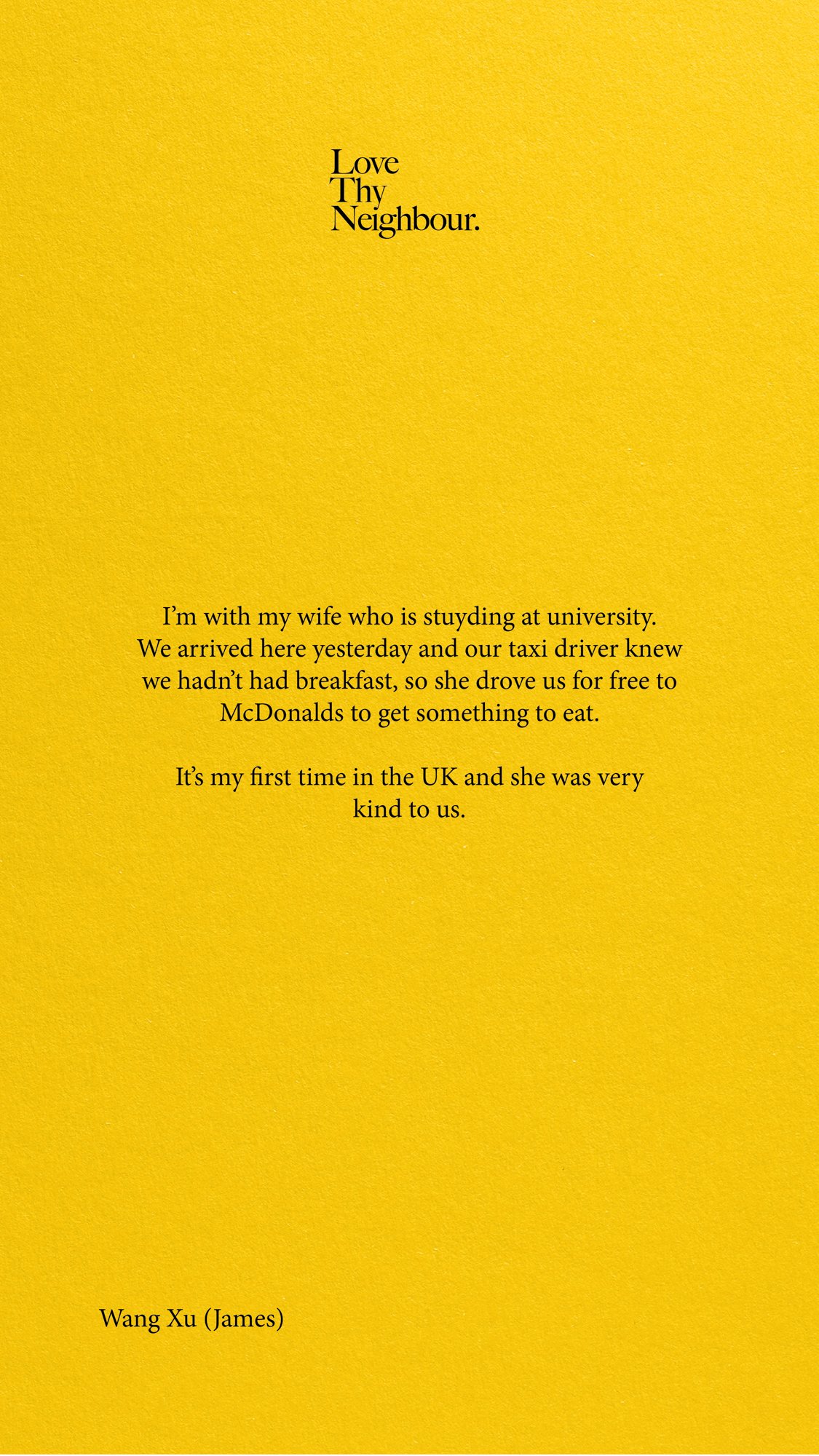
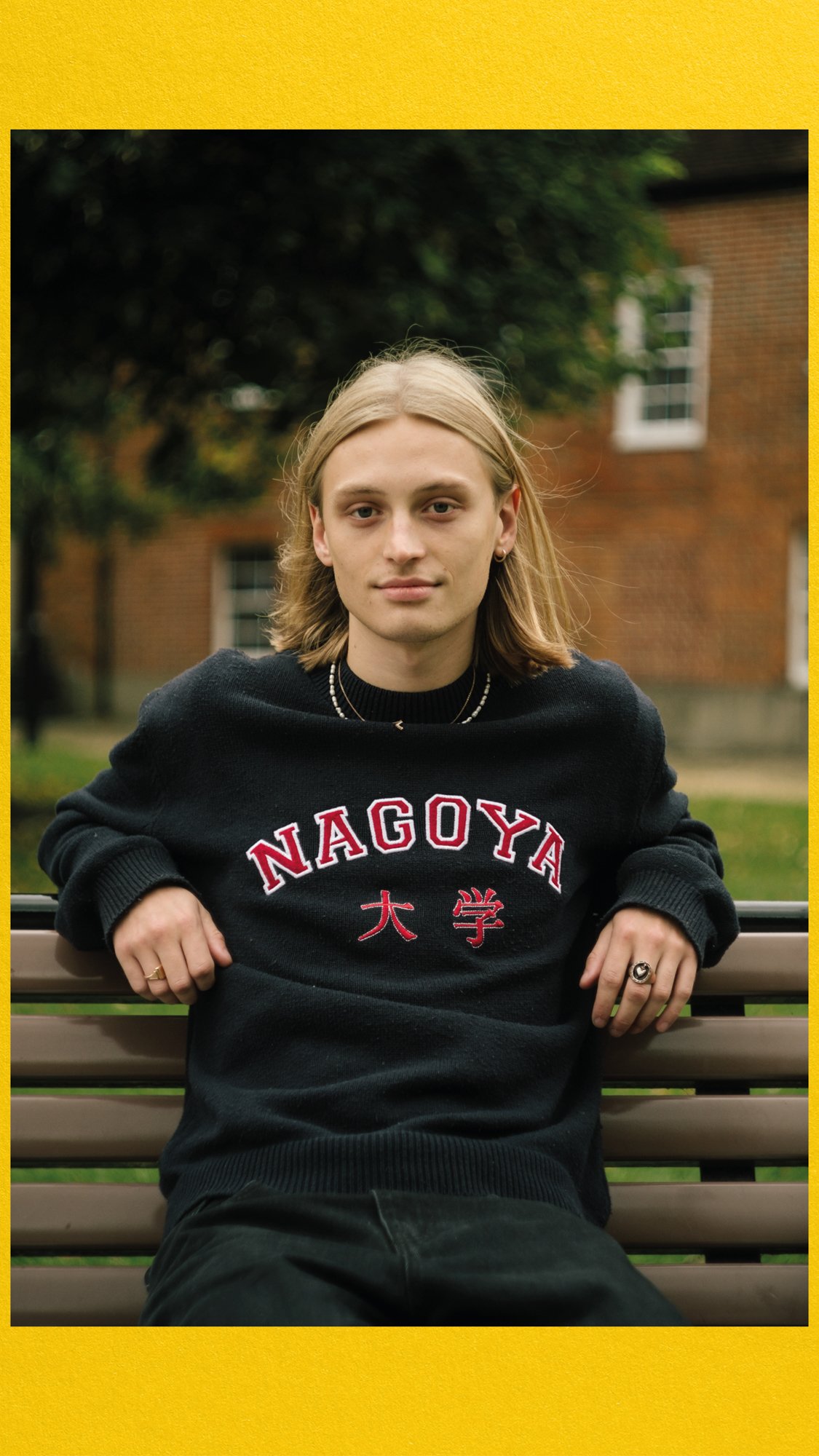
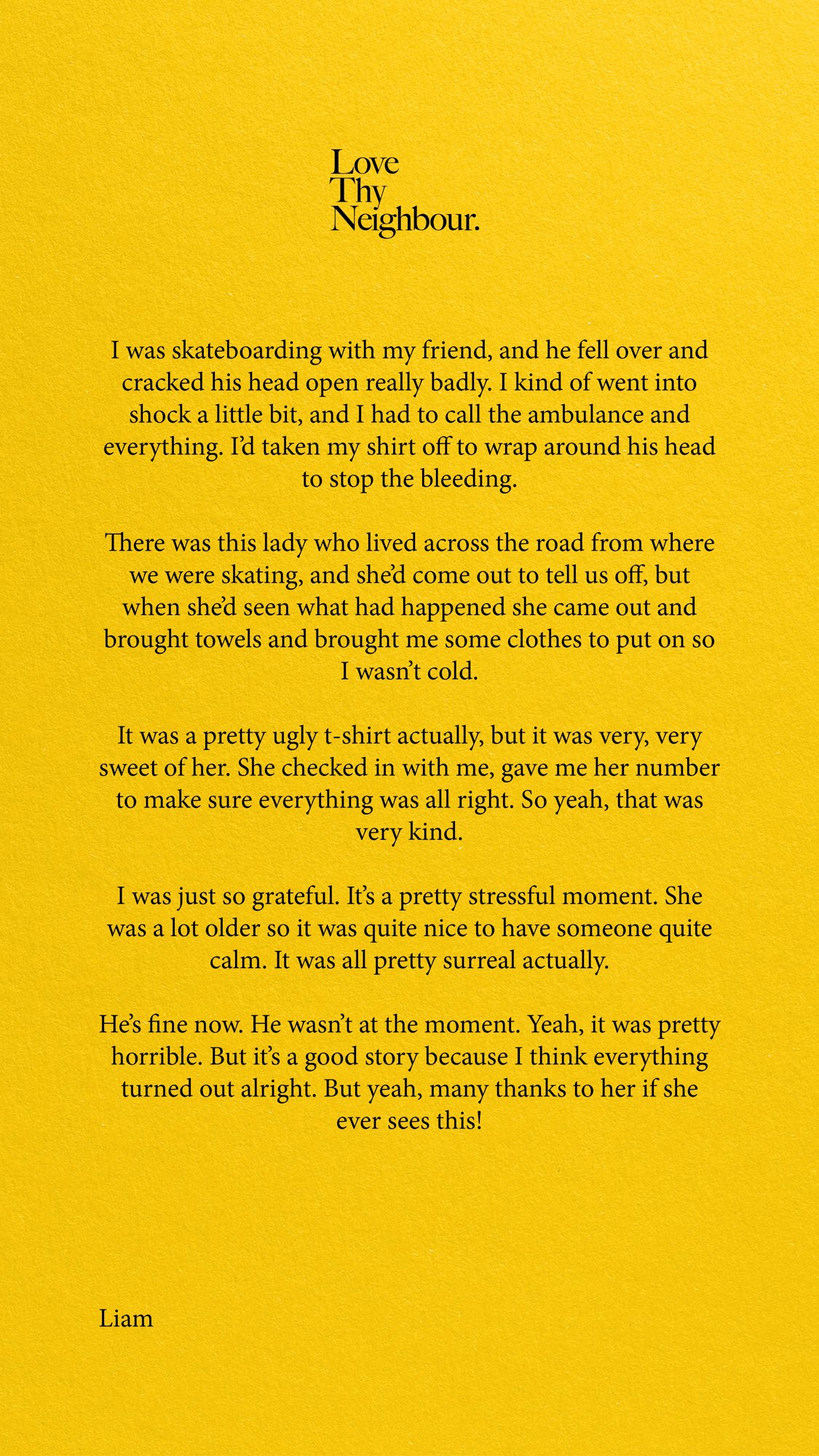
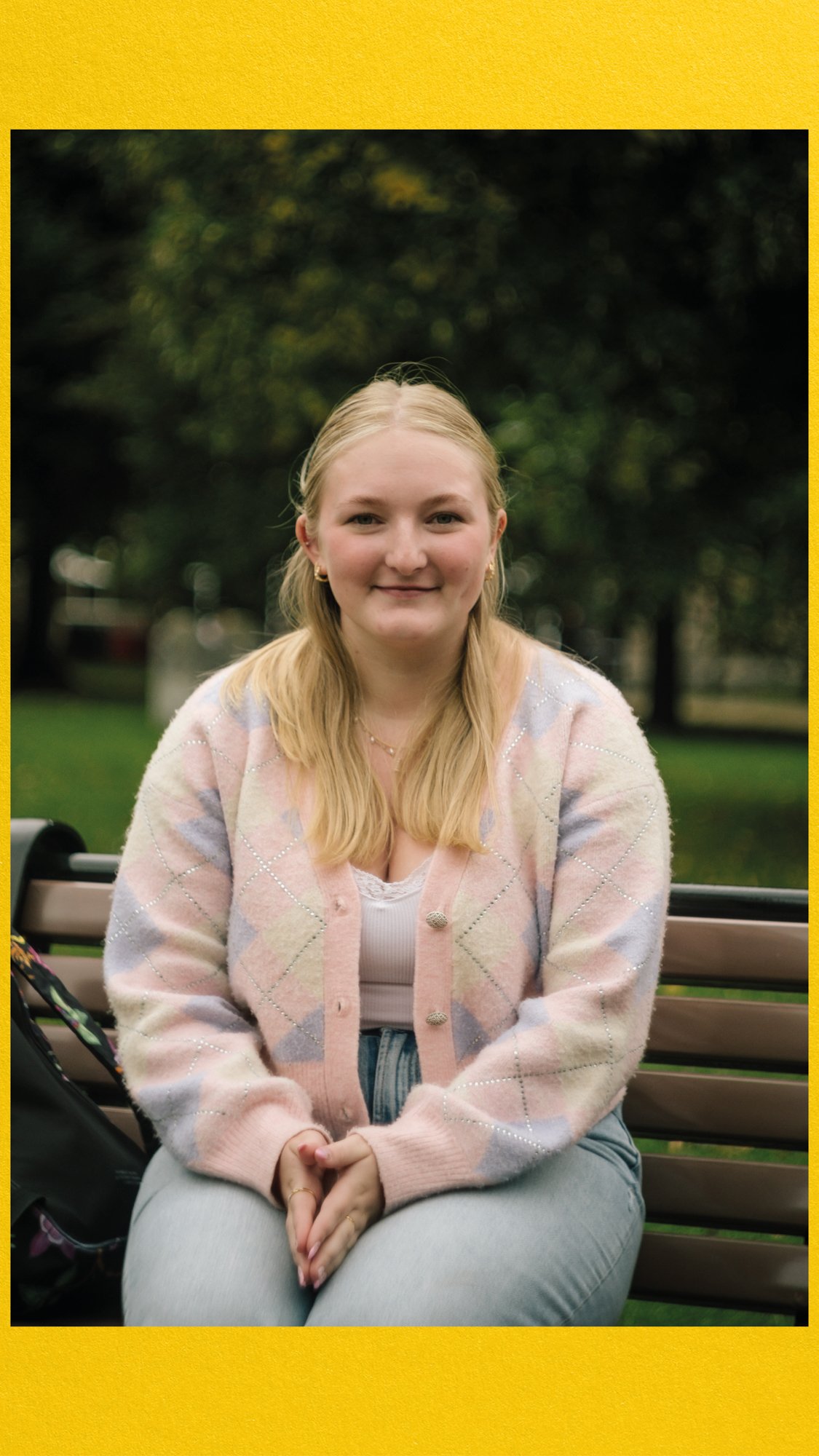
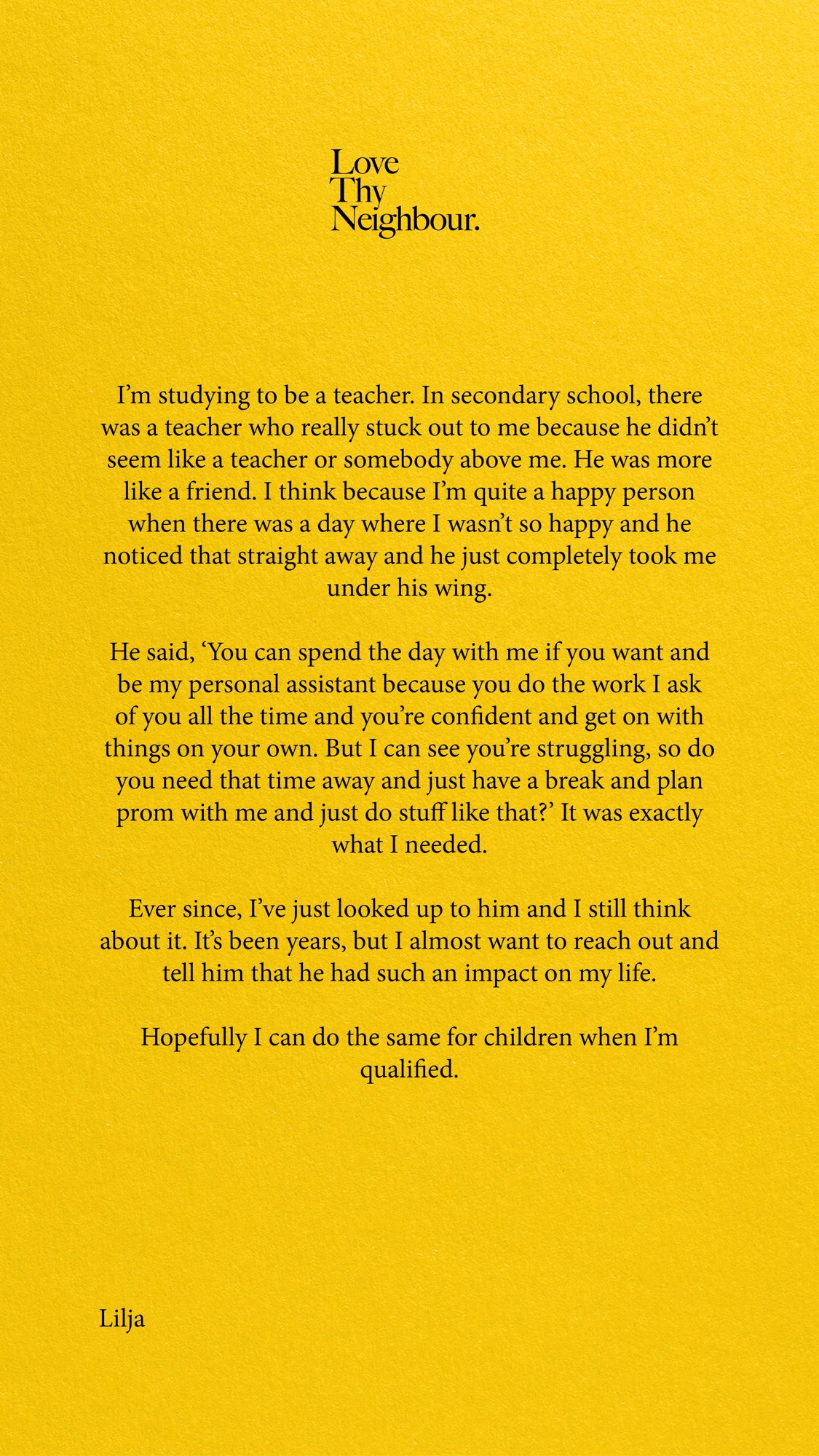
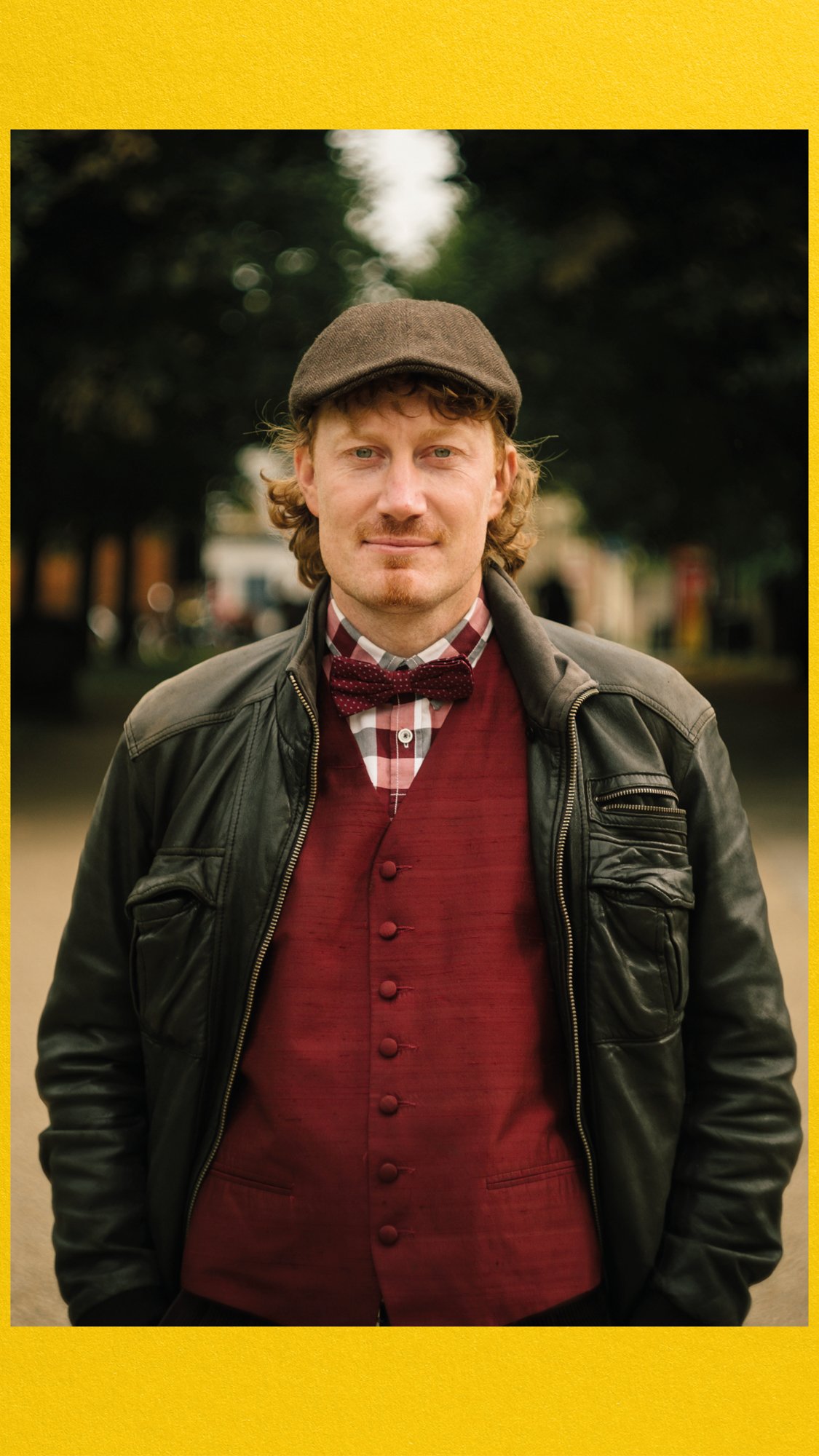
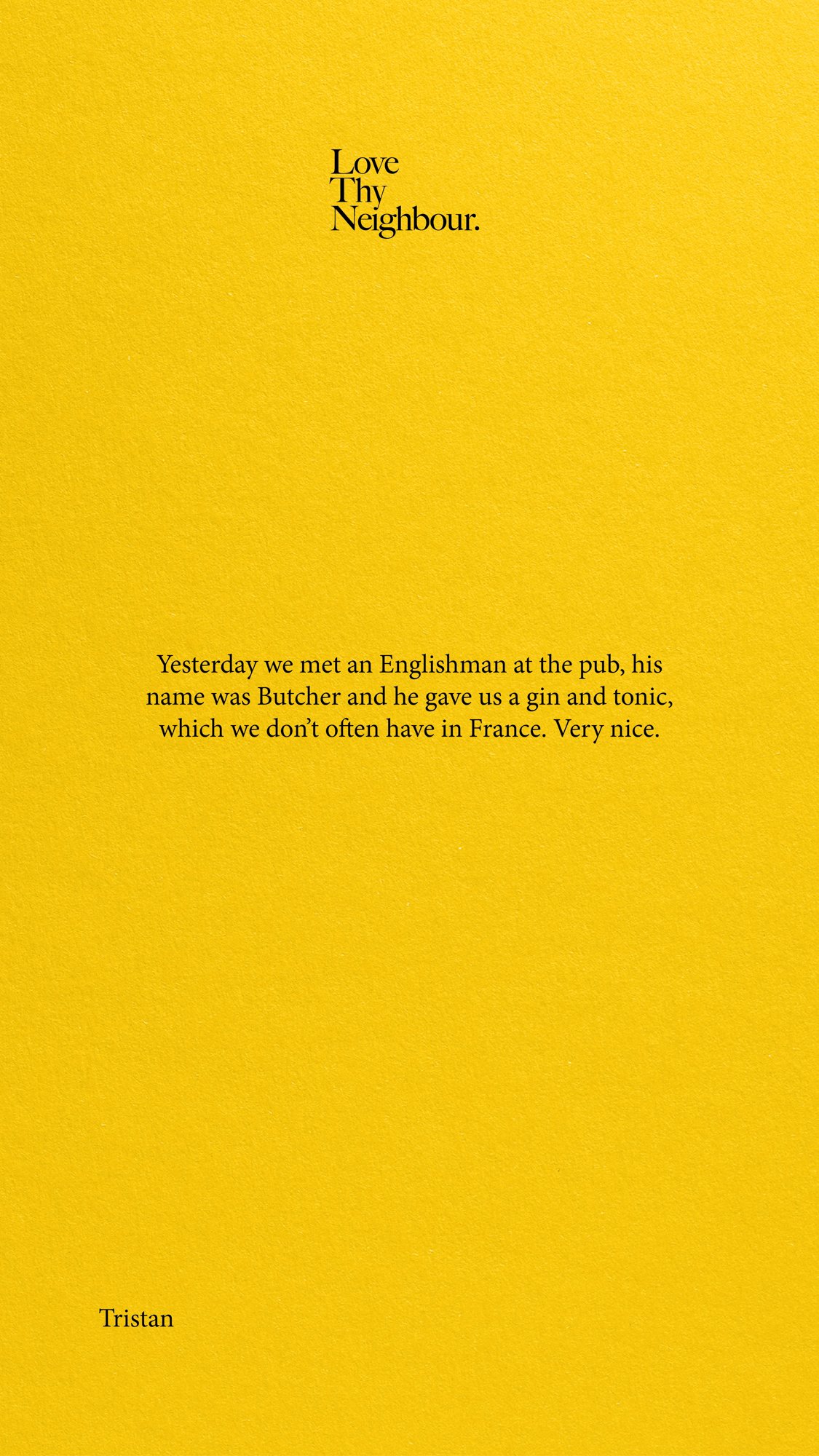
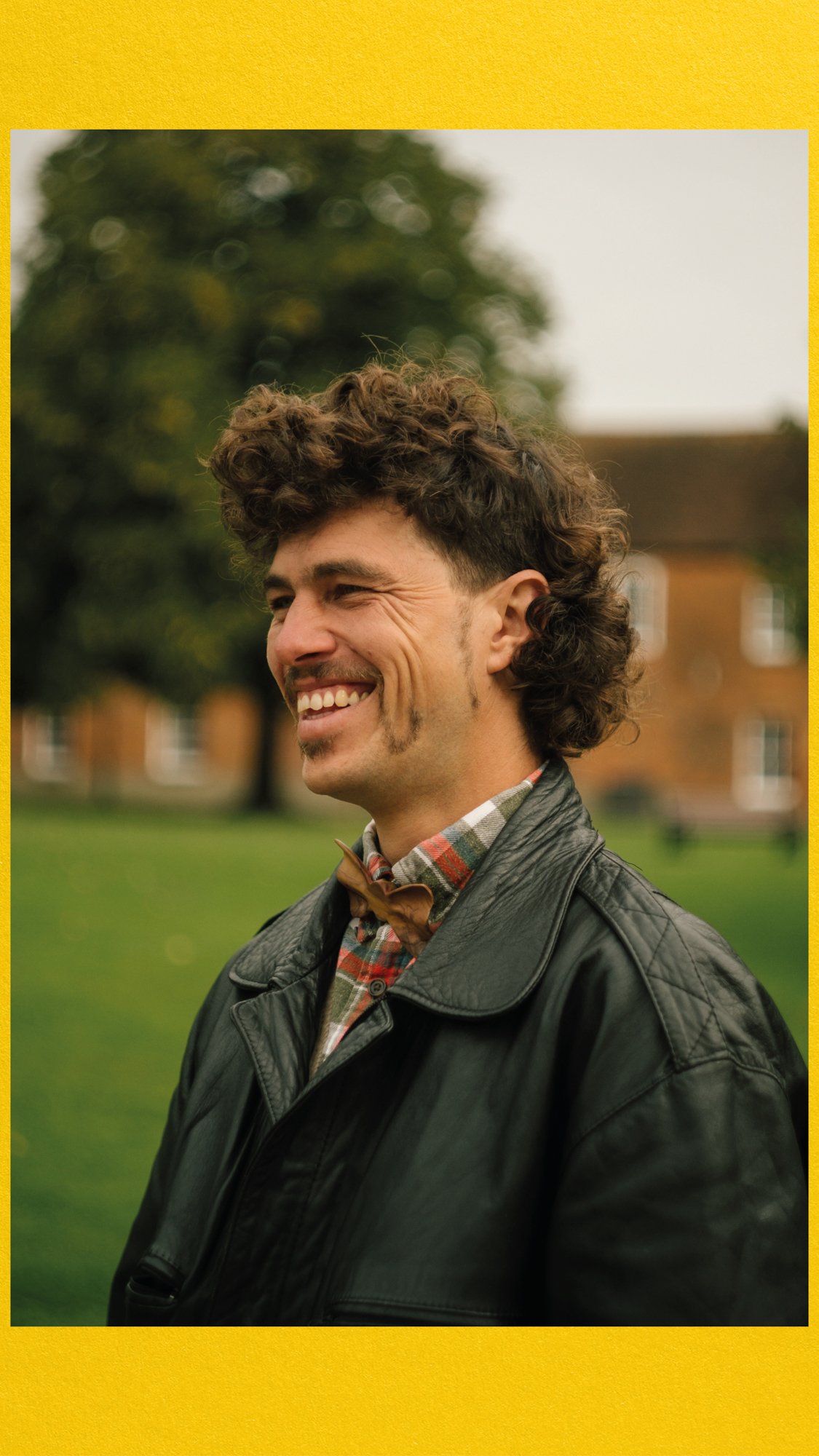
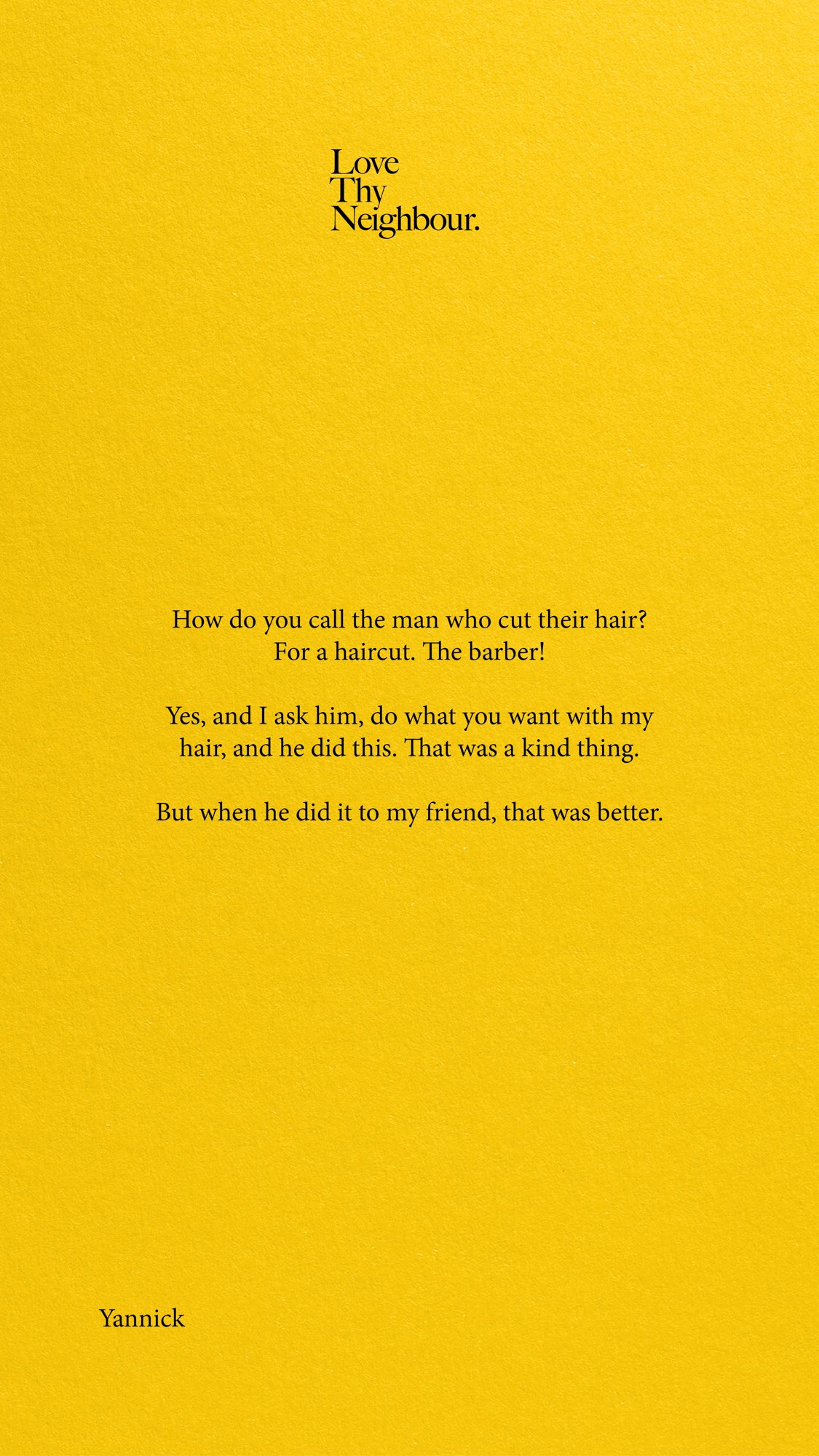
My latest proejct, ‘Love Thy Neighbour’ is a simple way of acknowledging the things that bring us together. I spent a morning photographing strangers on the street of my home town, asking them to tell me about a time when someone showed them kindness. The answers were simple and beautiful. Some representing lifetimes of care, others momentary gestures. It visualises our inherent reliance upon one another and demonstrates that although it often feels like it, we are not alone.


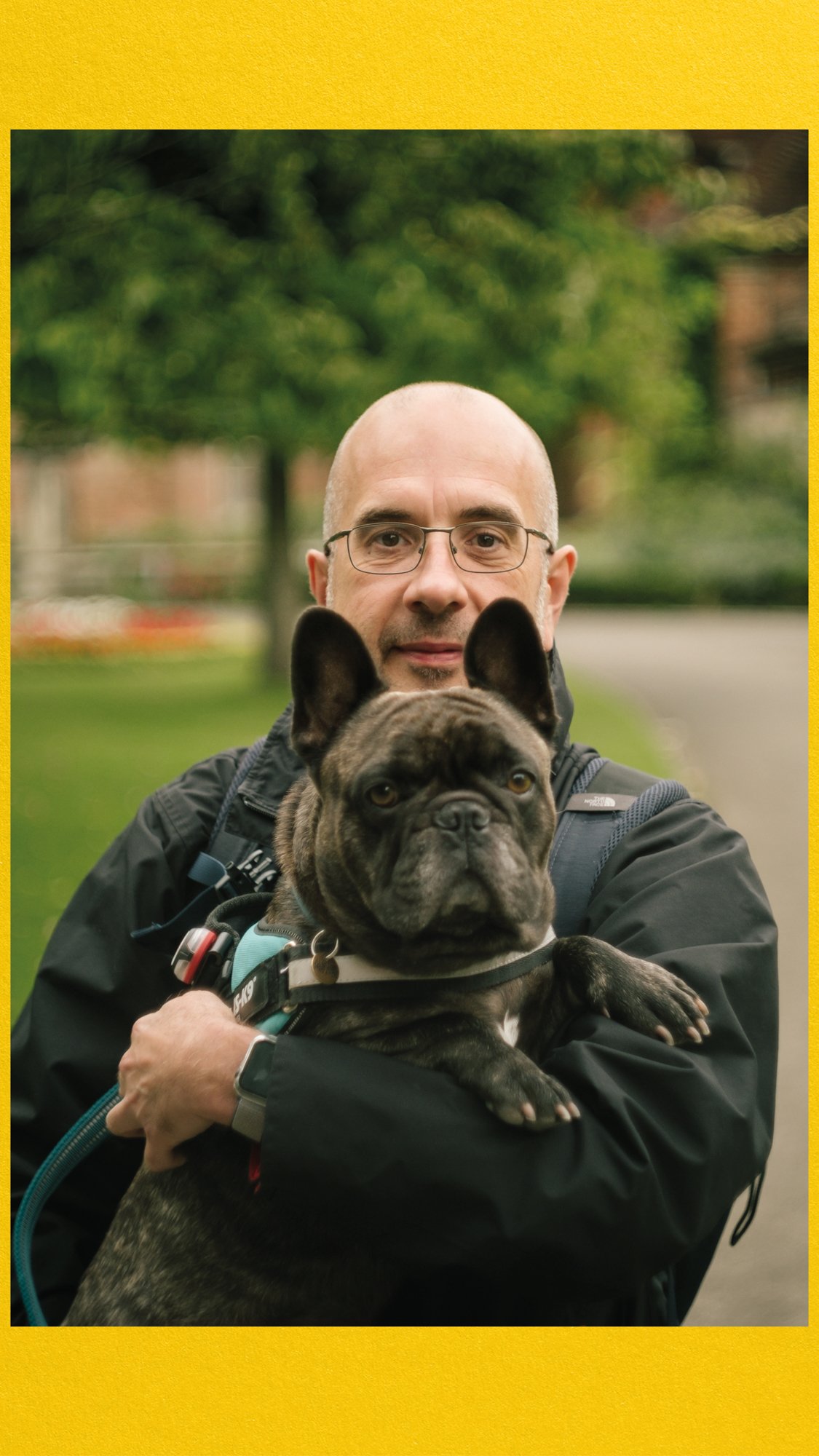
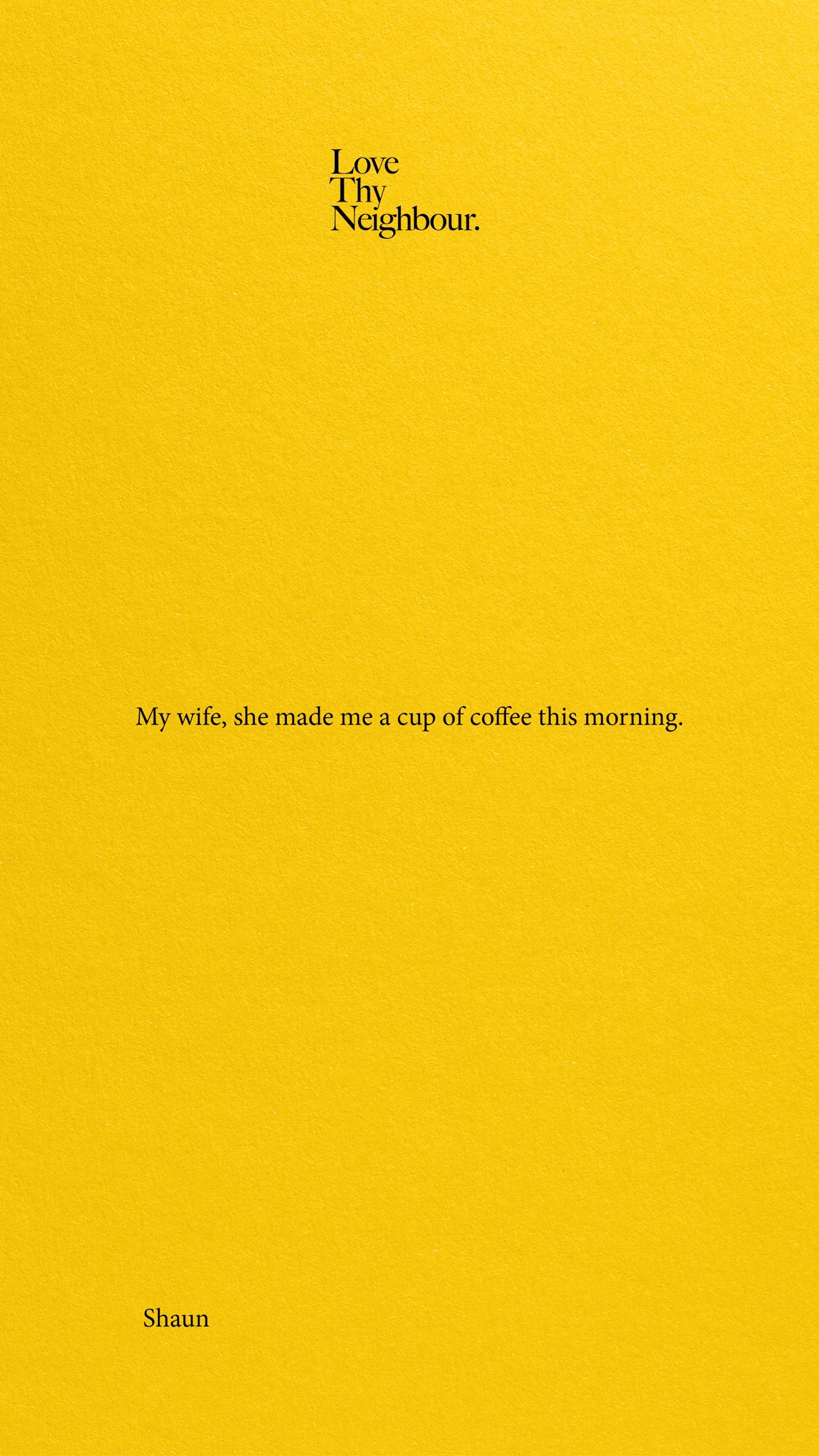
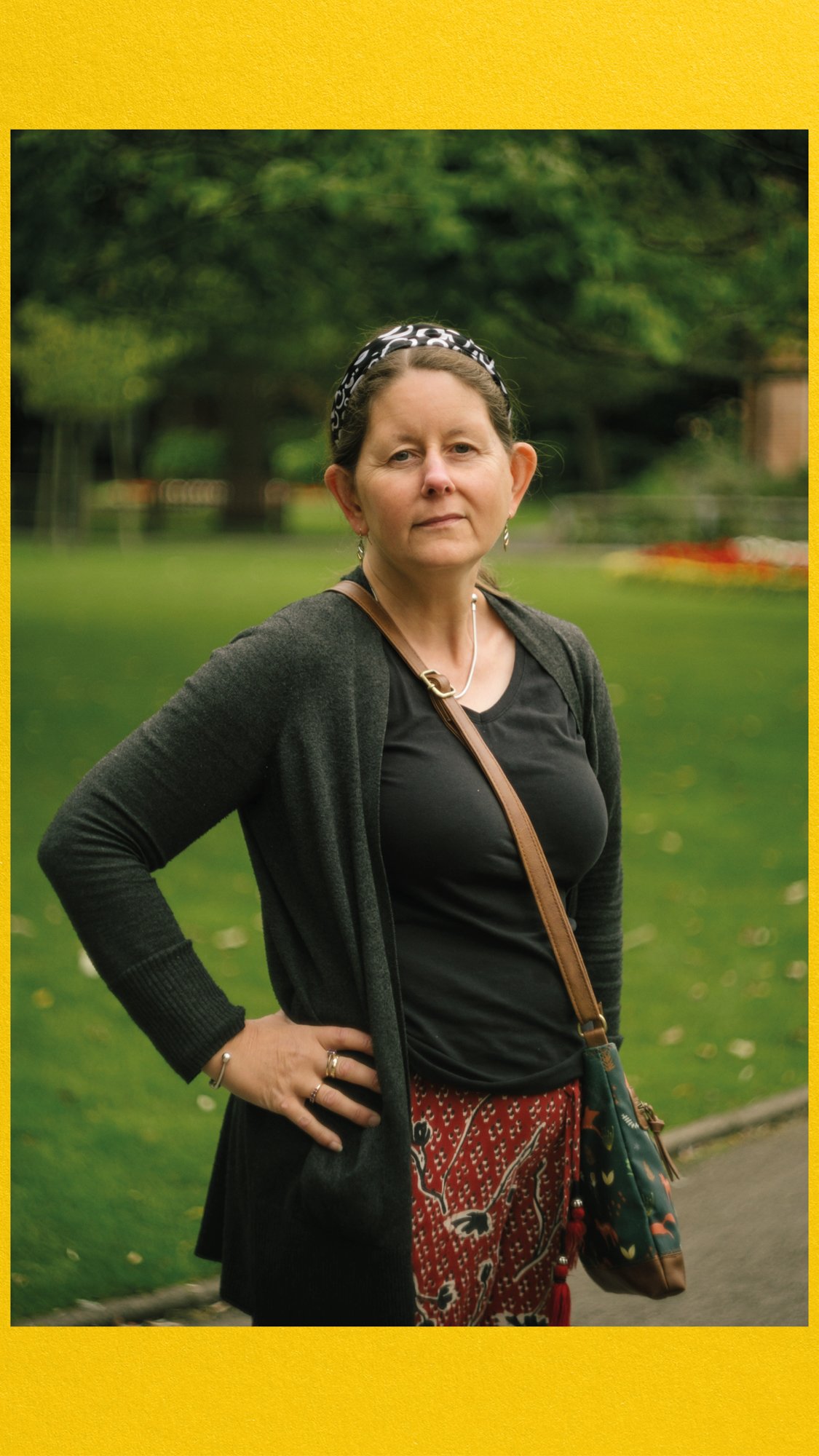
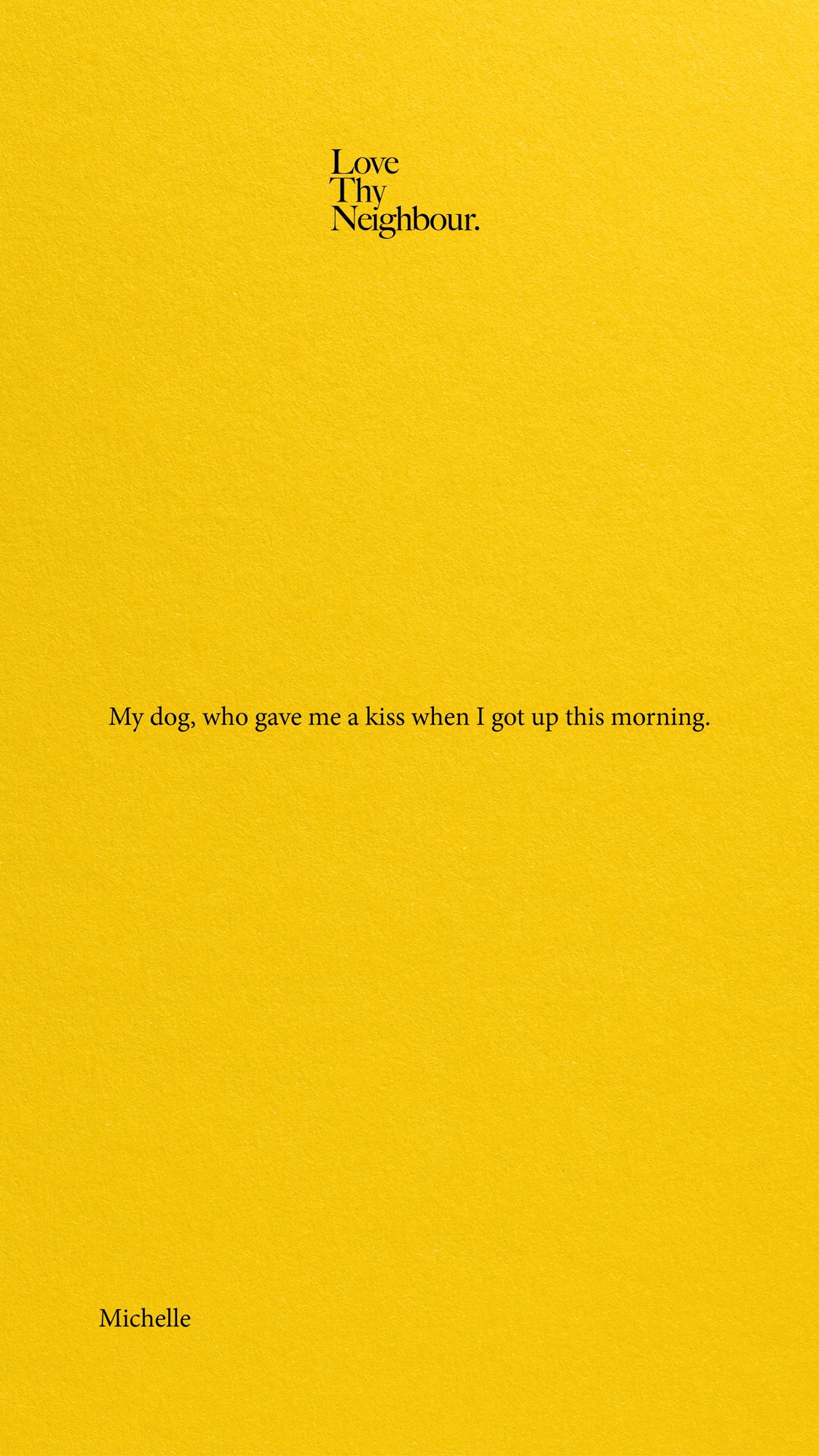
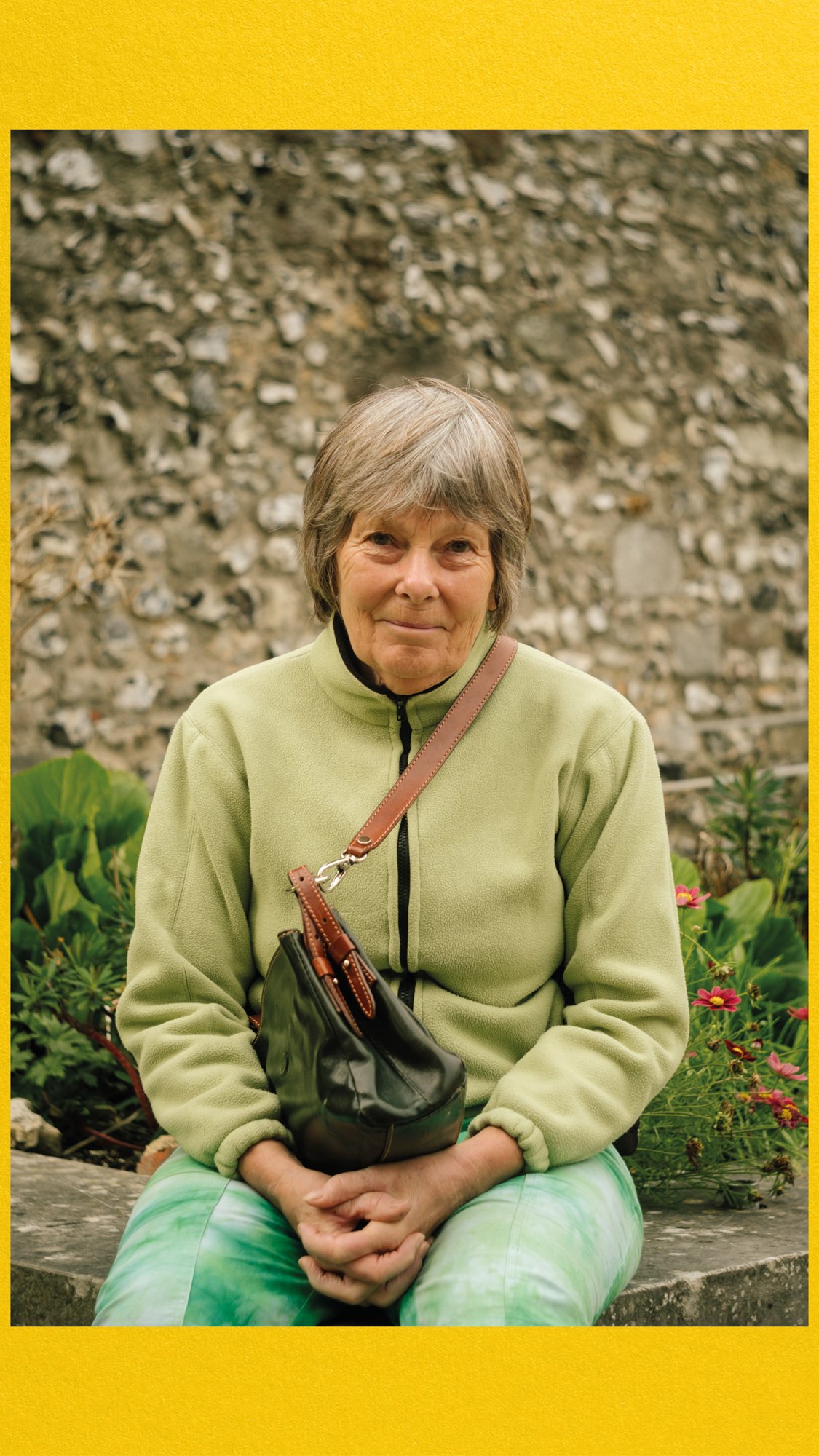

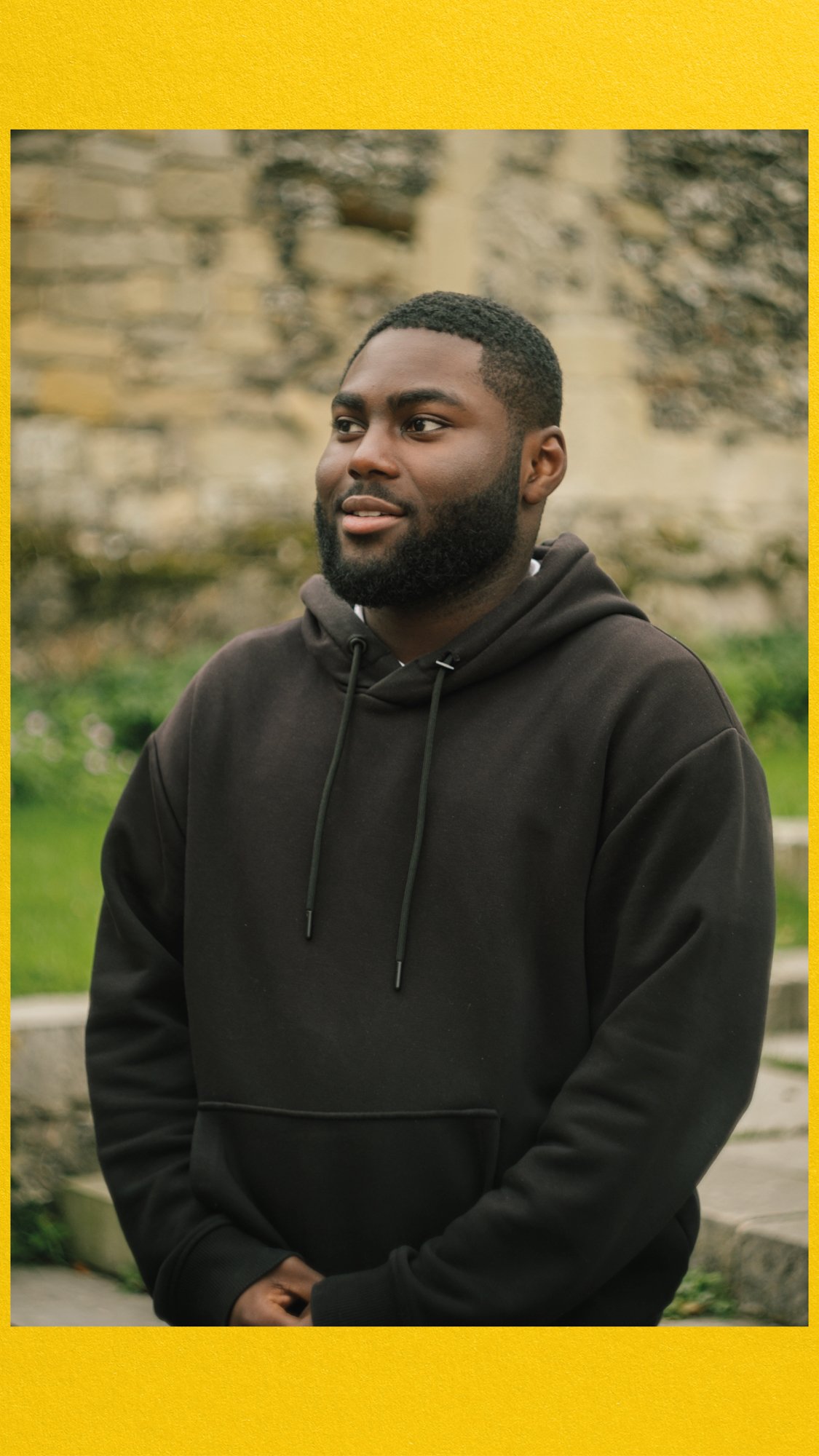
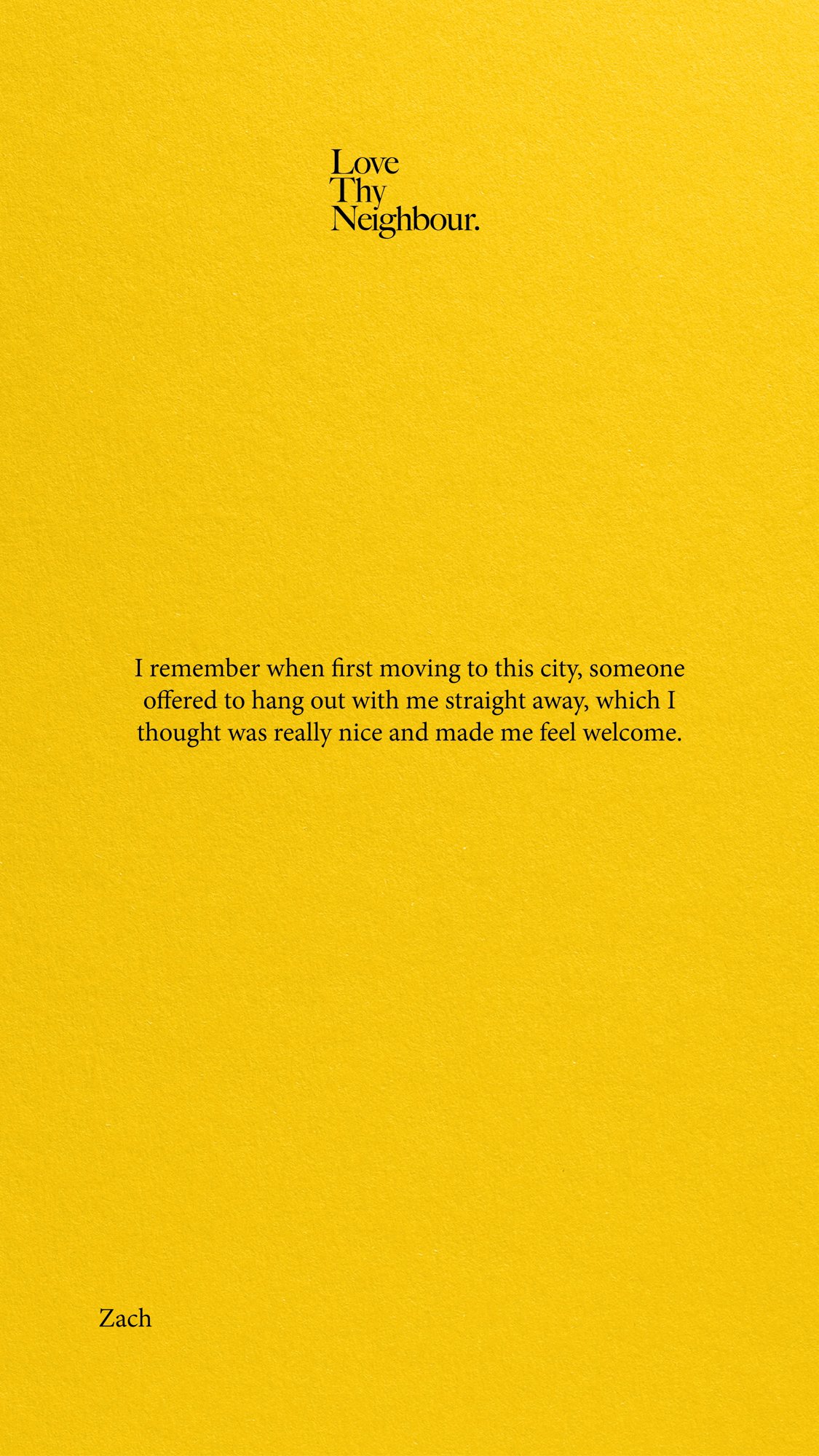
See the project in full on my Instagram Highlights.
Living Wholeheartedly
I came across a news story last week that really struck me. A 34 year old man from Liverpool, a researcher, had inherited £100,000. In his wisdom, he acknowledged to himself that he didn’t need the money, that what he was earning was already sufficient to live off and therefore he wanted to give the money away. He knew that others were in greater need of that resource than him, but rather than decide himself, he wanted to let his community decide who should receive it. So he sent out 600 letters to random addresses in his L8 postcode, 38 people responded, from which he picked 12 to take part in the decision making process. Over 4 meetings to discuss their options, (and overcoming the initial reaction from those involved who presumed it was some sort of scam), they decided to split the money between four charities within their own postcode, covering Toxteth and Dingle, who between them work with people of all ages who are vulnerable and have economic struggles. Amongst other things, they are helping feed children who would otherwise have gone without meals.
I don’t know about you, but I don’t think it would ever have crossed my mind to make the choices that David made, decisions which many of us would just consider foolish. Surely he’d want to build some greater financial security for himself and his family? Surely he’ll need that money later in life or want to pass it on to the next generation? It is such an incredibly counter cultural act, complete with the best of intentions, a selfless act that puts the needs of others before his own.
His is an act of living wholeheartedly, meaning what he believes and acting upon those intentions, paying attention to the whole around him rather than presuming it revolves around himself. He hasn’t made excuses or convinced himself that he’d be better off keeping the money, he’s shared not only his wealth but himself, his ideas and altruistic heart in the hope that it will resonate and encourage others to think similarly.
I’m not writing this to make anyone feel guilty or to preach at you, but it’s a story worth telling which invites us to ask how we steward what we have been given. David’s act of financial giving is a significant one which for many of us may not be an option, but the profound nature of his morals and intentions are something we can all try and carry through our words and actions.
David has set up a website called Wealth Shared to publish the results from the project and to encourage others in how to use their money wisely.

This article is taken from my February Mailout which also features some of my latest news and cultural highlights.
To receive it directly to your inbox each month, sign up here.
Teaching & Workshops
Over the last few years I’ve been asked to run various photography workshops in many different contexts, with prison inmates, youth groups, on farms and most recently with John Hansard Gallery for a programme they run with The Prince’s Trust.
From today though I’m taking the step into higher education, teaching the BA photojournalism course in Bournemouth for a couple of days a week. I’m excited to get started and see what I can encourage the students to create.
It will also give me time to continue a few ongoing projects which I’m slowly chipping away at!
Boy Friends
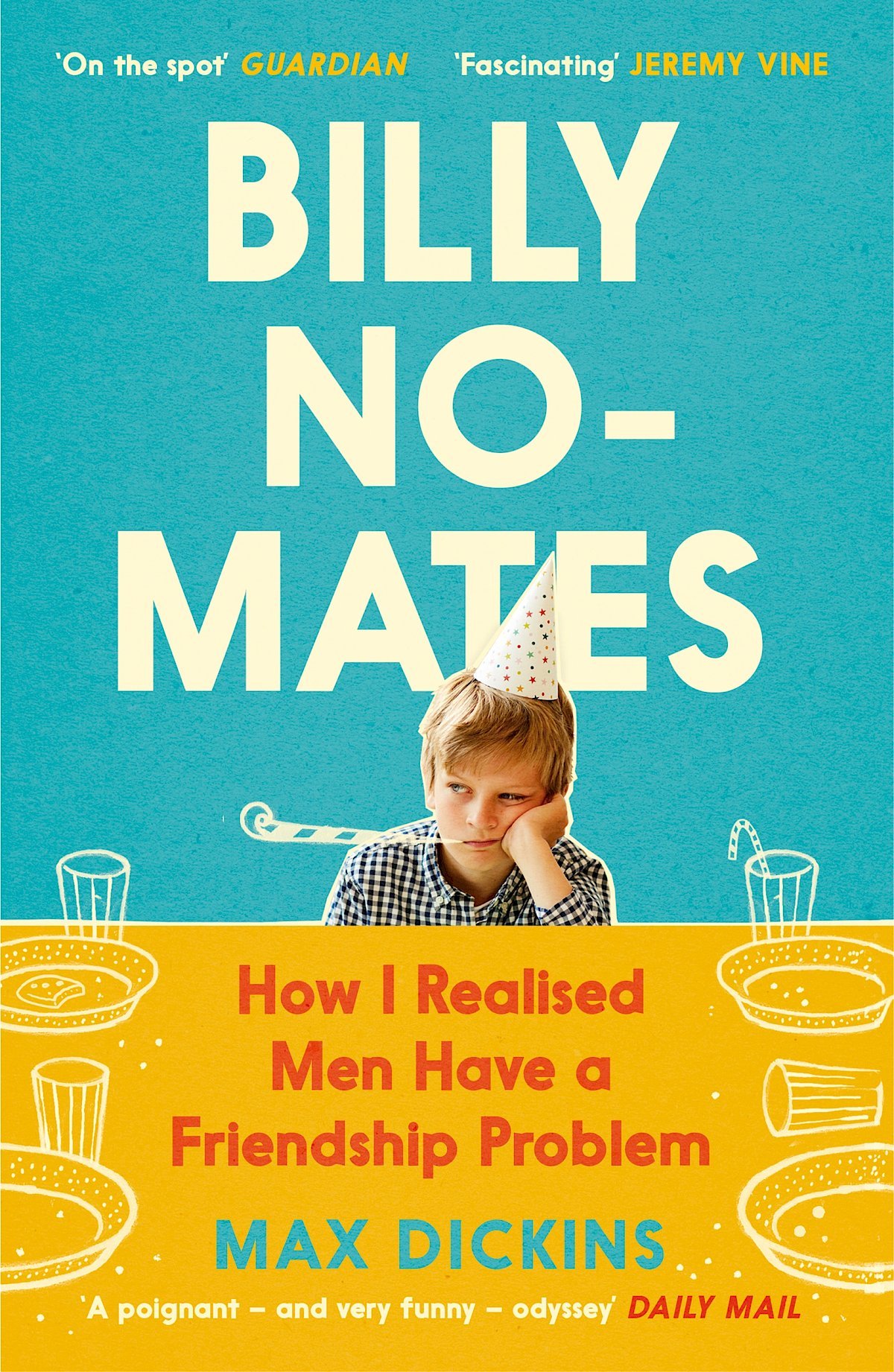
There was a very interesting book released last year by Max Dickens titled 'Billy No-Mates, How I Realised Men Have a Friendship Problem'. After buying a ring to propose to his girlfriend, Max realises he has no idea who to ask to be his best man at the wedding. He soon realised he wasn't the only guy struggling with friendship and goes on a journey of research and conversations with all sorts of experts about friendship. The book is an exploration of what is wrong with male companionship in the modern age. I've only heard interviews with him, but his summation is simple, that men find it much easier to build relationships with each other when there is a regular activity which allows them to meet. It doesn't matter what that is, whether it's playing a team sport, choir practice, a walking group or drinks after work on a Friday, but it seems like unless it's built into a routine and focussed around an activity or hobby it isn't going to happen.
However if you don't have this in your life there is a key to unlock its absence, and it's you. If you want this in your life you have to either seek it out and take the plunge or be the one who organises it. Now perhaps you don't want to take on the burden of booking the 5-a-side pitch each week and facilitating the whatsapp group to get everyone along, but think about the multitude of benefits that your proactivity might afford not only you, but all of the others who want to join you, and I can assure you they will be very grateful for the reason to meet.
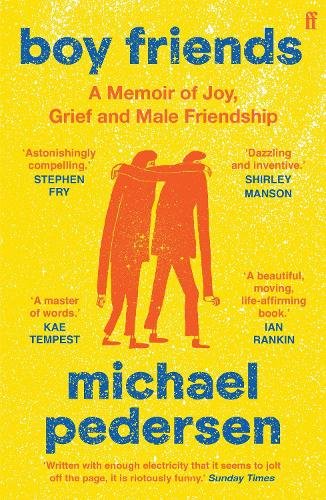
More recently I have been reading 'Boy Friends' by Michael Pedersen, an exploration of friendship, grief and loss after the suicide of his very good friend Scott Hutchinson of the band Frightened Rabbit. Scott's death happened a week or so before my sister Jess passed away so it really wasn't something I had much capacity to engage with at the time, but as a huge fan of the band I'm very glad to have the chance to revisit Scott's life through his wonderful friendship with Michael. The book is a buoyant and eloquent read and although centred around absence, offers up a beautiful picture of male companionship and a proximity which I feel guys rarely afford themselves.
It has me wondering what it is that holds us back from getting closer to one another. I think the stereotype of male-ness plays a significant role, the societal expectation to keep your head down, work hard and crack on with life, which feels not only out of date but wildly unhelpful in a time of a terrifyingly high amount of male suicides each year. I'm not here to provide answers but maybe we can all be a bit braver in asking each other how we're getting on, really, not just a quick hey before we start the sarcastic banter, but taking time to check in. Forget what anyone else might think, they're your friends and it's ok to show them you care even if it does feel a bit soppy. When did it ever hurt to have someone know that they feel loved and listened too?
If you feel like you're in the right place to hear the lyrics, then the song below, written by Scott many years before he took his own life feels like a manifestation of how things ended for him. Released on the incredible album 'The Midnight Organ Fight', there are two lines which twist the narrative towards hope, change and a decision we are all invited to take each day, to decide to have a positive future.
If you need to talk to someone, then the guys at the Campaign Against Living Miserably are there to help.
This article is taken from my January Mailout which also features some of my latest news and cultural highlights.
To receive it directly to your inbox each month, sign up here.


Creating for Yourself
The creative journey is always a meandering one, with occasional highlights of public recognition and potentially earning some money from the endeavours, but neither of these are the fuel with which we create, as those exterior fuels can run dry.
In his book 'The Creative Act', Rick Rubin talks about ignoring the audience, creating just for yourself. This can feel wildly indulgent, and often isn't a decision that your bank balance will thank you for, but in order to find your true voice it's important not to create based on the expectations of others. We all start by imitating our influences but as we grow it's important to tune into the elements of our work which excite us, not because someone else said so, or wants to pay for it, but because it rings true.
That is the thread to pull, itch to scratch, idea to develop etc. etc.
It might not get you worldly rewards, because our consumerist society doesn't always reward the things it cannot define, categorise or monetise easily. The route to what is deemed 'success' is tricky, can be convoluted (and eventually met with others who want a slice of the pie!). I have friends who have made amazing records which have never been released, written books that haven't been published or taken photographs which may never grace the walls of a gallery. I've made plenty of things over the years which either never made it out into the world or fell flat when they did, and you learn from those, but I had the luxury of time and resource to scratch those itches to see what might come of them, sometimes they connect and sometimes they don't. For all those 'failed' projects their time may yet come, but the endeavour of creating them is the reward. The collaboration, the craft, the distilling of inspiration through a voice you didn't previously have.
Finally, I hope you all have an enriching and revitalising festive period, enjoying time with family, friends and some treats along the way. It can be very easy to become self-indulgent over the next few weeks, and without wanting to get preachy please know that there are those around you who may well find this time of year difficult. For many reasons, Christmas and the New Year puts added stress and pressure on areas of our lives which may have already been hard, so spare what you can for those around you, through your generosity of time, money, food, hospitality or simply being a friend to someone who needs someone to listen. Please don't underestimate what you can offer to those around you.

This article is taken from my December Mailout which also features some of my latest news and cultural highlights.
To receive it directly to your inbox each month, sign up here.
In Your Incompleteness is Your Authenticity
I recently heard Dr. Martin Shaw share this phrase on a podcast interview, and it was like breath flowing through me. In that moment it's what I needed to hear, so I wanted to share it with you in case it's what you need to hear today.
We live in a society which seems to demand perfection. On a daily basis we are asked to perform to a standard which stretches and bends us to reach beyond our true selves. Although many of us live searching for what our true selves might be I would suggest that it probably isn't found in the pursuit of perfection.
In a similar vein, it is so easy to fall into the trap of aspiration, to make huge relational sacrifices that affect those we share our lives with in order to achieve something, perhaps a creative or work goal, perhaps something more materialistic. How often do we get to the end of those journeys only to find that having achieved what we set out to achieve that life doesn't feel tangibly different at all.
I'm not suggesting that we all stop trying to achieve anything in life, but it's important to carry those pursuits in context of our wider selves and those around us, the people who see our incompleteness, who know what our authentic selves look like and love us for it without question.
For me, it's a question of accepting my flaws whilst holding onto my values, which I hope will encourage me to be the most authentic version of myself that I can be.
Martin is a wonderful writer and storyteller, director of the Westcountry School of Myth and carries a faith filled wisdom which always seems to resonate and ignite something within me. Listen to the interview with Martin Shaw & Felix Marquad on The Sacred Podcast here. I believe the quote comes from his book 'Courting the Wild Twin', which you can find here.
This article is taken from my November Mailout which also features some of my latest news and cultural highlights.
To receive it directly to your inbox each month, sign up here.
New Piano Track - '45 Years'
I’m very pleased to have my new piano track ‘45 Years’ featured on the BBC Sounds ‘Sleeping Forecast’ playlist.
It’s about 8 minutes in here.

Surface Editions
Very excited to have an image in the first publication from Surface Editions. Get yourself a copy!

Uncle Graham, The Beekeeper - Audio Story
In the summer I went down to Cornwall to spend some time with my uncle, a former dairy farmer who now keeps bees. He showed me some of the hives and we sat down to talk about his experience of keeping bees and how it keeps him motivated and energised after his diagnosis for Parkinson’s.
Thanks to BBC Radio Solent and BBC Radio Cornwall for playing the piece, you can catch up on BBC Sounds
BBC Solent - 36mins (excerpts of story with interview)
BBC Cornwall - 18mins 45secs (story in full)
Polycopies - Paris
Polycopies - Paris - Dear Kairos, - Book Signing
I’ll be signing copies of my latest book ‘Dear Kairos,’ at Polycopies in Paris this Friday - 6pm at the Skinnerboox table.
It would be lovely to see you if you’re in town!

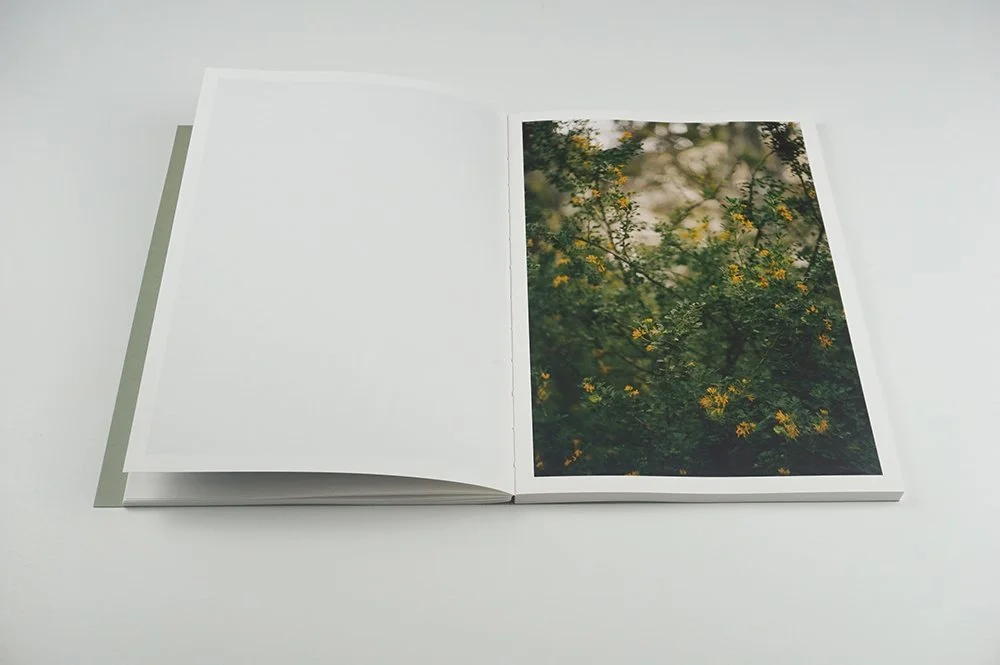


Loved&Lost Workshops - Hampshire Libraries
Over the next few months I will be exhibiting a selection of stories from Loved&Lost across four local libraries in Hampshire.
At the end of each month I will also be running a workshop based on the creation of the Loved&Lost stories for anyone to attend, all for free. If you would like to join me for any of the sessions, please use the Hampshire County Council website to sign up.
Workshop Dates:
Stubbington Library - Tuesday 7th November 2023 - 12.00pm
Basingstoke Discovery Centre - Friday 8th December 2023 - 10.30am
Chandler's Ford Library - Friday 9th February 2024 - 10.30am


Letting The Light Pour In
‘How do you do it?’ said night
‘How do you wake up and shine?’
‘I keep it simple,’ said light
‘One day at a time’
‘How do you grow?’ said night
‘How do you keep it in the day?’
‘To keep what I have,’ said light
‘I have to give it away’
Lemn Sissay
For the last ten years Lemn Sissay has written a poem each morning, a daily practice, sometimes it takes minutes, sometimes hours. A selection of these have now been gathered and published in ‘let the light pour in’, his series of Morning Poems’
A friend advised me to ‘Wake with enthusiasm to the dawning of each day’. I like that ‘cause when I write I feel like I am opening windows to let the light pour in. - Lemn Sissay
As a daily act in itself, the idea of writing each morning creates a wonderful rhythm and momentum to creativity. Perhaps some would view this as too tethered, or an impossible routine to maintain, but in committing to writing Lemn is slowly refining what he creates, a form of meditation to engage with the place and space that he physically, emotionally and psychologically finds himself in. This doesn't only allow him to recognise and acknowledge it, but attempt to capture it and refine it into something that others may be able to engage with in the hope that it may resonate with them.
For Lemn, there isn’t a defined goal or an ending, instead he regards it as ‘an experimentation in hope’. What a beautiful way to approach the act of creating something new, pouring yourself into something new, not knowing whether it will be fruitful, but trusting that in attempting alone, there is hope for the birth of something wonderful that did not previously exist.
Some of the poems might pass you by, they float in and drift past. Others however, will resonate in a way that you had forgotten that words could. They will invite you into a different space, ask something of you, reframe your mindset, or simply allow you to rest in the moment. It has me asking myself about my daily practice. There are plenty of things that I do deliberately and intentionally each day, such as making coffee, morning stretches and breathing, reading something nourishing, walking the kids to school through the fields and playing whatever games they have devised that day. But imagine how we might grow if we committed to creating something new each day. For me, perhaps that is making a photograph, and regardless of the results the act itself will encourage new thoughts on what and how I might make pictures.
If it were not imagined
It could not be made
Therefore imagination
Must not be afraid
Lemn Sissay
This article is taken from my October Mailout which also features some of my latest news and cultural highlights.
To receive it directly to your inbox each month, sign up here.
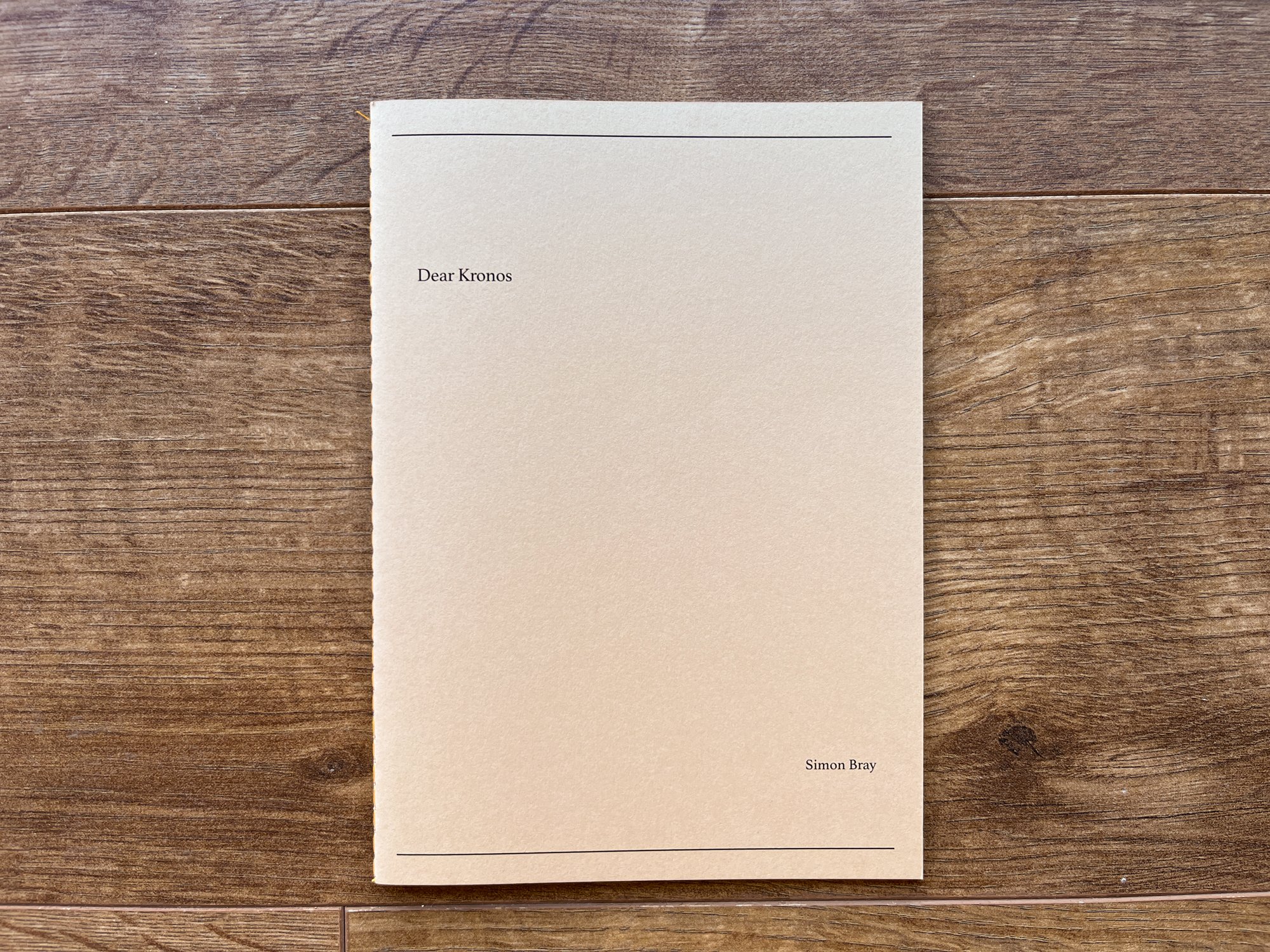
'Dear Kronos' - New Zine
I've just released a new zine titled Dear Kronos ... a compatriot to my book Dear Kairos, exploring the ancient greek notions of time.
http://simonbray.co.uk/bookshop
Limited to 50 copies.

Sounds Wild and Broken
I think I’ve always felt the need to seek out silence, particularly in the more emotionally demanding times in my life. I take great solace and reassurance from taking myself to somewhere that is naturally quiet, maybe somewhere rural away from traffic or in a small parish church and being able to be still, to hold myself as quietly as possible. These experiences seem to re-energise me, to let the peace of the exterior soak into my interior and generate space and calm in order to approach the next week, day or moment.
However, sound isn’t something that is very easy to escape from. Unlike other senses, we aren’t able to restrict what we hear in the way that we can close our eyes in order to restrict our sense of sight. Man and nature are energised living entities that by their very nature, through heartbeats and vibrations, machinery and song make sound (I’m all the more aware of this as I write this from my studio which is currently surrounded by a building site!).
The ways in which we engage with sound, particularly as a musician and someone who loves spending time in nature has always fascinated me, so I was excited to read David George Haskell’s new book ‘Sounds Wild and Broken’. The book is a scientific exploration of sound, which over millennia of evolution has developed from bacterial vibrations through the wilderness of the animal kingdom to music, allowing us to experience beauty and forge deep connections with one another.
The attention we pay to the world around us is hugely influenced by our ability to stop and listen, actively, deeply listen, and appreciate the myriad of lifeforms making sound. Our daily experiences can be embellished through sound, if only we stop to filter out the distractions, pay attention and David does a wonderful job of inviting the reader to tune in to the world around us.
“...an experience of beauty can be a great truth teller and motivator, more powerful than senses, memory, reason, or emotion acting alone.”
For me, that beauty can be natural, but so often it is music which enlivens me. We use music to mark the most important moments in our lives as it crystallises our thoughts, emotions and relationships into unspoken resonance which moves us to feel more complete, more alive. Having read David’s book, I’m hoping I’ll be able to engage more deeply with a world of natural sounds as well, to experience the abundance of beautiful sounds it has to offer.
This article is taken from my September Mailout which also features some of my latest news and cultural highlights.
To receive it directly to your inbox each month, sign up here.