Polycopies - Paris - Dear Kairos, - Book Signing
I’ll be signing copies of my latest book ‘Dear Kairos,’ at Polycopies in Paris this Friday - 6pm at the Skinnerboox table.
It would be lovely to see you if you’re in town!
Polycopies - Paris - Dear Kairos, - Book Signing
I’ll be signing copies of my latest book ‘Dear Kairos,’ at Polycopies in Paris this Friday - 6pm at the Skinnerboox table.
It would be lovely to see you if you’re in town!

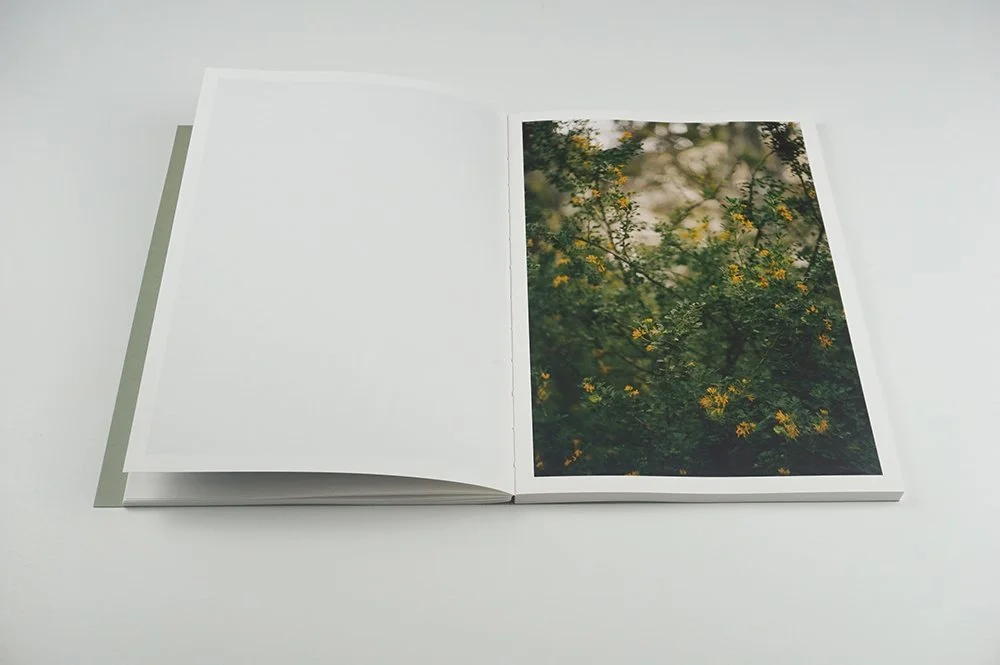


Over the next few months I will be exhibiting a selection of stories from Loved&Lost across four local libraries in Hampshire.
At the end of each month I will also be running a workshop based on the creation of the Loved&Lost stories for anyone to attend, all for free. If you would like to join me for any of the sessions, please use the Hampshire County Council website to sign up.
Workshop Dates:
Stubbington Library - Tuesday 7th November 2023 - 12.00pm
Basingstoke Discovery Centre - Friday 8th December 2023 - 10.30am
Chandler's Ford Library - Friday 9th February 2024 - 10.30am


‘How do you do it?’ said night
‘How do you wake up and shine?’
‘I keep it simple,’ said light
‘One day at a time’
‘How do you grow?’ said night
‘How do you keep it in the day?’
‘To keep what I have,’ said light
‘I have to give it away’
Lemn Sissay
For the last ten years Lemn Sissay has written a poem each morning, a daily practice, sometimes it takes minutes, sometimes hours. A selection of these have now been gathered and published in ‘let the light pour in’, his series of Morning Poems’
A friend advised me to ‘Wake with enthusiasm to the dawning of each day’. I like that ‘cause when I write I feel like I am opening windows to let the light pour in. - Lemn Sissay
As a daily act in itself, the idea of writing each morning creates a wonderful rhythm and momentum to creativity. Perhaps some would view this as too tethered, or an impossible routine to maintain, but in committing to writing Lemn is slowly refining what he creates, a form of meditation to engage with the place and space that he physically, emotionally and psychologically finds himself in. This doesn't only allow him to recognise and acknowledge it, but attempt to capture it and refine it into something that others may be able to engage with in the hope that it may resonate with them.
For Lemn, there isn’t a defined goal or an ending, instead he regards it as ‘an experimentation in hope’. What a beautiful way to approach the act of creating something new, pouring yourself into something new, not knowing whether it will be fruitful, but trusting that in attempting alone, there is hope for the birth of something wonderful that did not previously exist.
Some of the poems might pass you by, they float in and drift past. Others however, will resonate in a way that you had forgotten that words could. They will invite you into a different space, ask something of you, reframe your mindset, or simply allow you to rest in the moment. It has me asking myself about my daily practice. There are plenty of things that I do deliberately and intentionally each day, such as making coffee, morning stretches and breathing, reading something nourishing, walking the kids to school through the fields and playing whatever games they have devised that day. But imagine how we might grow if we committed to creating something new each day. For me, perhaps that is making a photograph, and regardless of the results the act itself will encourage new thoughts on what and how I might make pictures.
If it were not imagined
It could not be made
Therefore imagination
Must not be afraid
Lemn Sissay
This article is taken from my October Mailout which also features some of my latest news and cultural highlights.
To receive it directly to your inbox each month, sign up here.
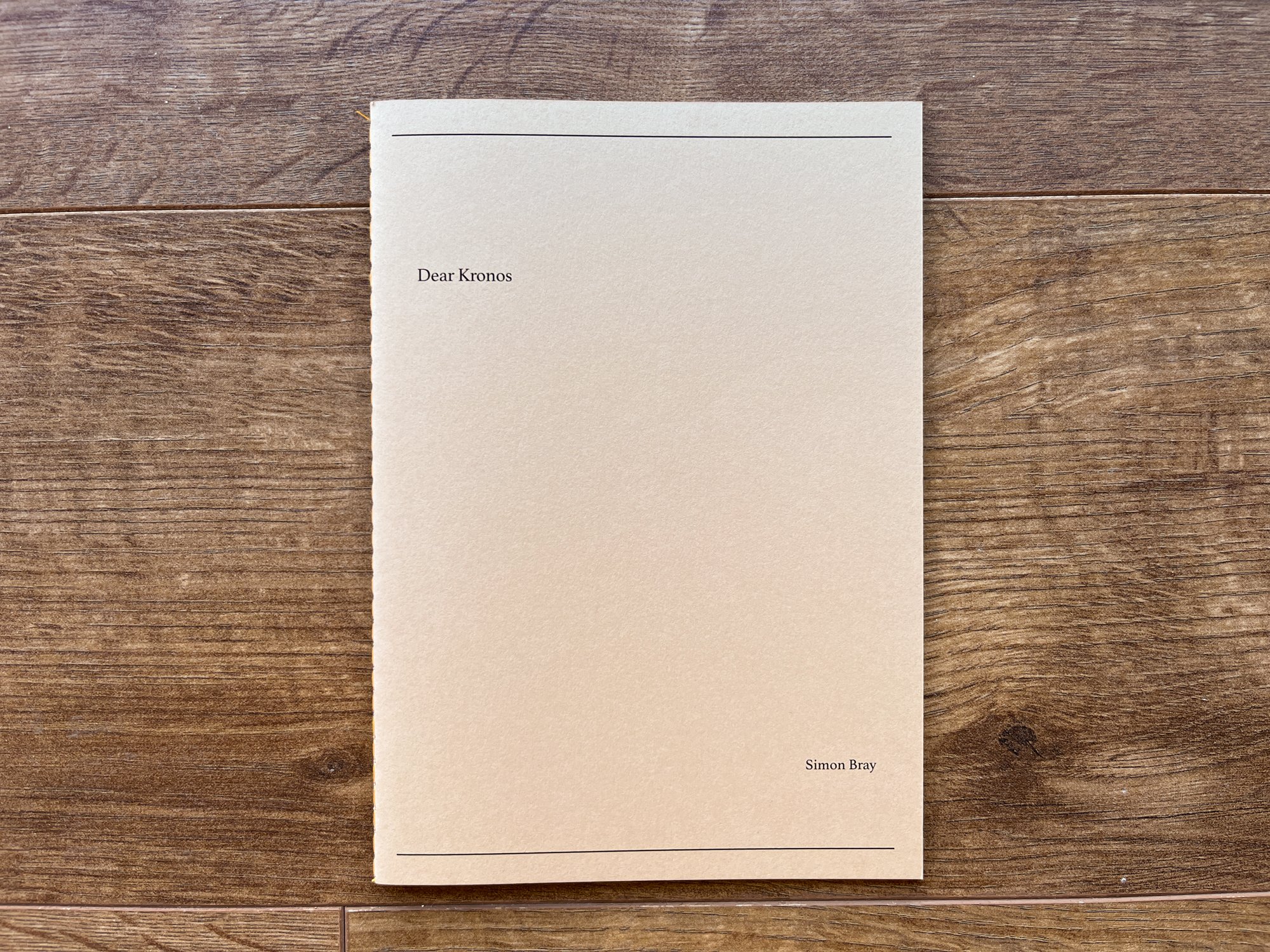
I've just released a new zine titled Dear Kronos ... a compatriot to my book Dear Kairos, exploring the ancient greek notions of time.
http://simonbray.co.uk/bookshop
Limited to 50 copies.

I think I’ve always felt the need to seek out silence, particularly in the more emotionally demanding times in my life. I take great solace and reassurance from taking myself to somewhere that is naturally quiet, maybe somewhere rural away from traffic or in a small parish church and being able to be still, to hold myself as quietly as possible. These experiences seem to re-energise me, to let the peace of the exterior soak into my interior and generate space and calm in order to approach the next week, day or moment.
However, sound isn’t something that is very easy to escape from. Unlike other senses, we aren’t able to restrict what we hear in the way that we can close our eyes in order to restrict our sense of sight. Man and nature are energised living entities that by their very nature, through heartbeats and vibrations, machinery and song make sound (I’m all the more aware of this as I write this from my studio which is currently surrounded by a building site!).
The ways in which we engage with sound, particularly as a musician and someone who loves spending time in nature has always fascinated me, so I was excited to read David George Haskell’s new book ‘Sounds Wild and Broken’. The book is a scientific exploration of sound, which over millennia of evolution has developed from bacterial vibrations through the wilderness of the animal kingdom to music, allowing us to experience beauty and forge deep connections with one another.
The attention we pay to the world around us is hugely influenced by our ability to stop and listen, actively, deeply listen, and appreciate the myriad of lifeforms making sound. Our daily experiences can be embellished through sound, if only we stop to filter out the distractions, pay attention and David does a wonderful job of inviting the reader to tune in to the world around us.
“...an experience of beauty can be a great truth teller and motivator, more powerful than senses, memory, reason, or emotion acting alone.”
For me, that beauty can be natural, but so often it is music which enlivens me. We use music to mark the most important moments in our lives as it crystallises our thoughts, emotions and relationships into unspoken resonance which moves us to feel more complete, more alive. Having read David’s book, I’m hoping I’ll be able to engage more deeply with a world of natural sounds as well, to experience the abundance of beautiful sounds it has to offer.
This article is taken from my September Mailout which also features some of my latest news and cultural highlights.
To receive it directly to your inbox each month, sign up here.
"....there isn't really anything to say about the music, no, there's only the feeling it leaves inside ... and when it comes to music she doesn't know the first thing and she thinks, what do you need to know? because if nothing else music fills the hole inside her. Or does it open up the hole?"
This quote is taken from Lori&Joe, a stunning novel by Amy Arnold which takes you on a journey across a Lake District fell and into the dark depths of the lives of Lori & Joe. Full of intimacy and confusion, it probably wasn't the right book to read whilst on a relaxing break in the Lakes with family and friends, but I recommend it nonetheless. The narrative focuses on the elements of life which combine and separate the two characters, one of whom has an acute musical and artistic understanding, the other who hasn't really got anything to say.
There's something profound in the blissful naivety of the question 'What do you need to know?', because if you're anything like me, when you find a piece of music or a book that you enjoy you want to know who made it, and why, and where, and who released it, and in what formats, and how expensive is it and do I like it enough to add it to my collection. That context feels crucial to me, but I miss the naivety of not knowing and embracing something new for the first time, something my teenage years were full of, the exploration of a musical world waiting to be explored.
On Tuesday evening I added a BBC Proms concert with mum, it’s her cultural highlight of the year so I let her select the concert that we would go to, a fairly familiar programme including a Beethoven piano concerto and Shostakovich’s tenth symphony, both of which were incredible impressive, but it was the opening piece that really reverberated within me. A piece by avant garde composer Ligeti called ‘Lontano’. It was full of distance, eeriness, tension, complexity, it was beautiful and sublime, it drew me in, took me to another place and held me there. It filled the holes inside me and calmed me, before opening up questions, thoughts and ideas that the music had inspired to reveal.
The music and books that I engage with are far more than just an accompaniment to the complexities and obligations of life, they affirm me, enliven the emotions which are searching for a way out and allow those unspoken expressions to emerge. So whether you have anything to say about the music doesn’t especially matter, as long as you can allow yourself to be moved by it and embrace the feelings it leaves inside.
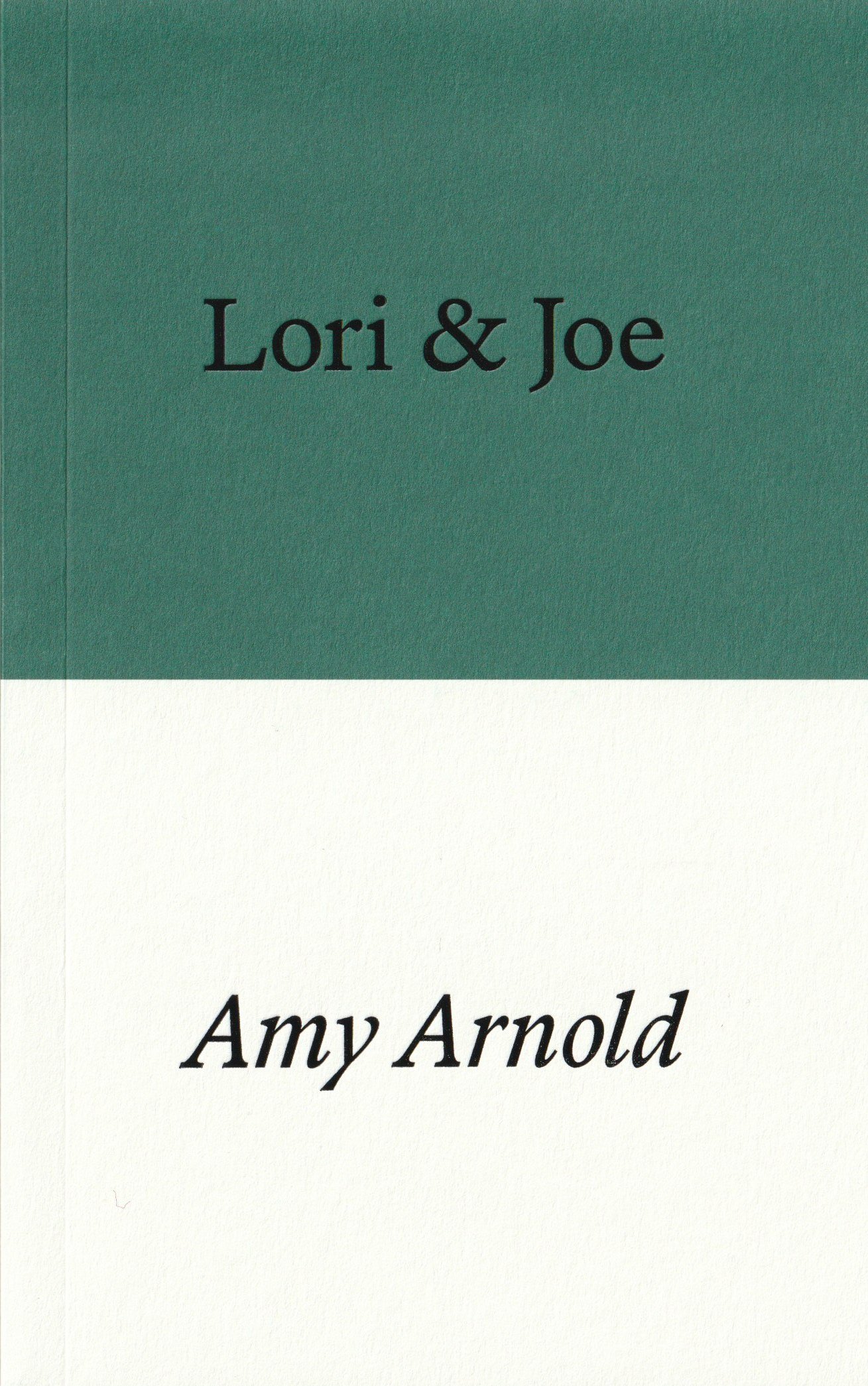
You can purchase Lori&Joe through Prototype here.
This article is taken from my August Mailout which also features some of my latest news and cultural highlights.
To receive it directly to your inbox each month, sign up here.
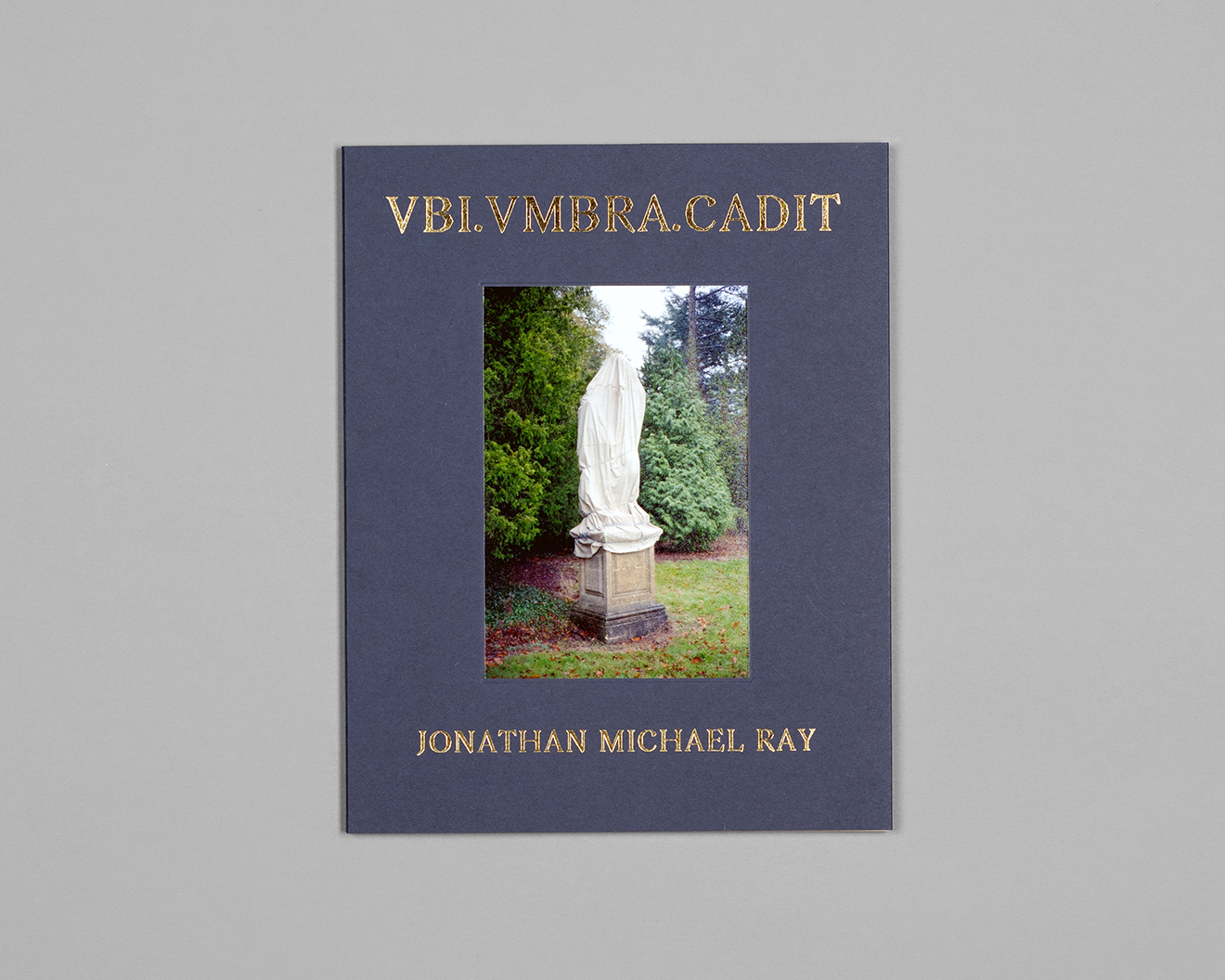
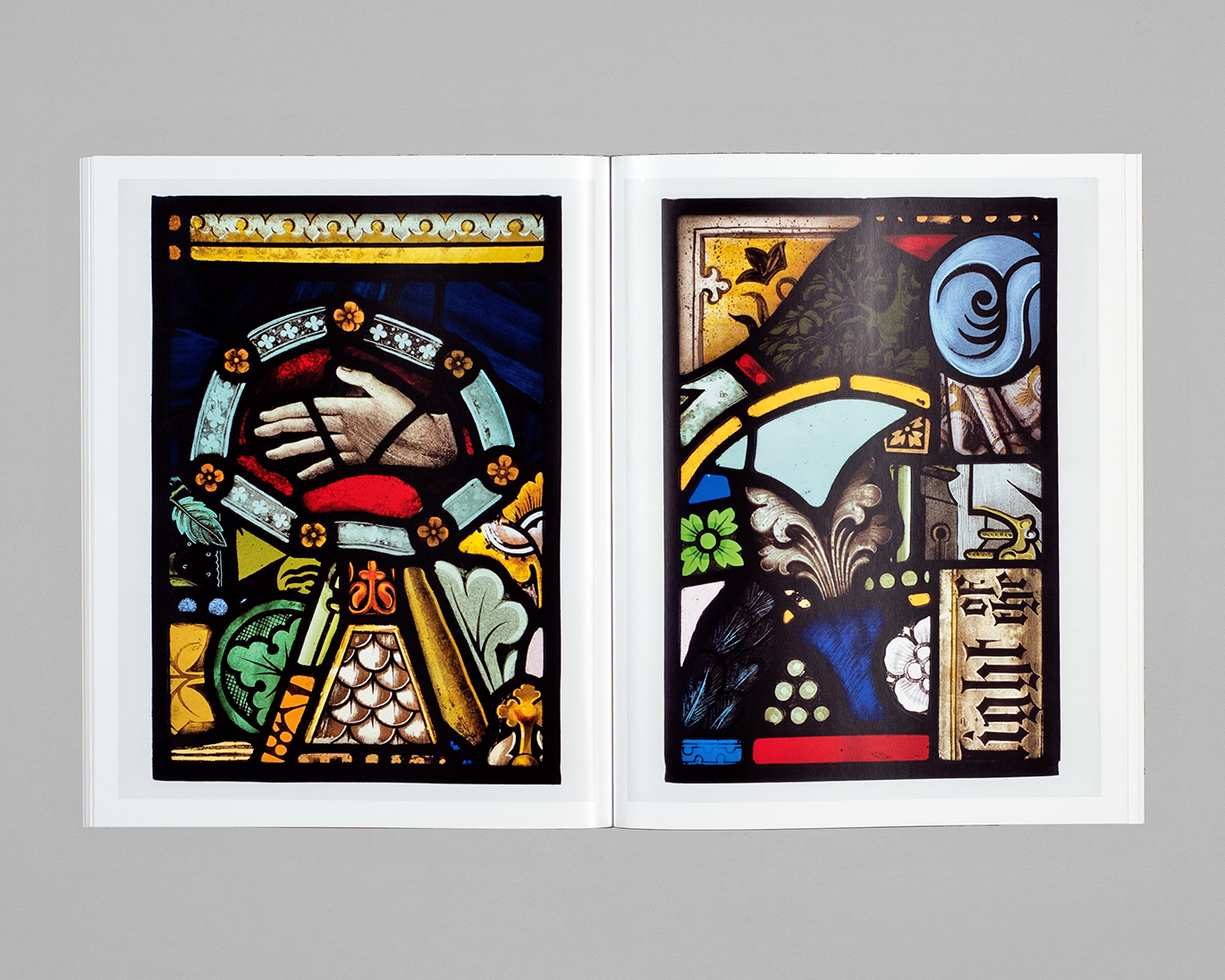
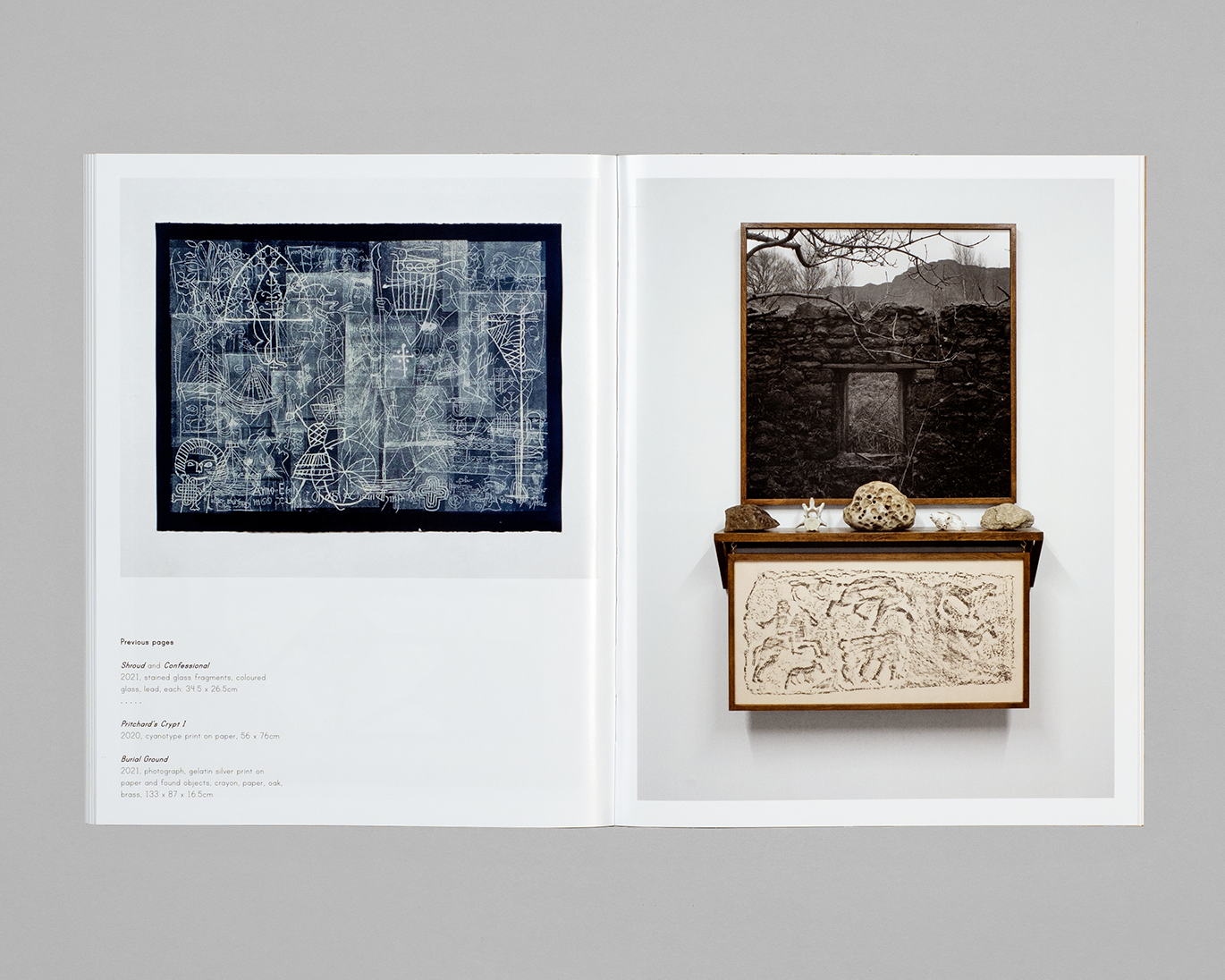
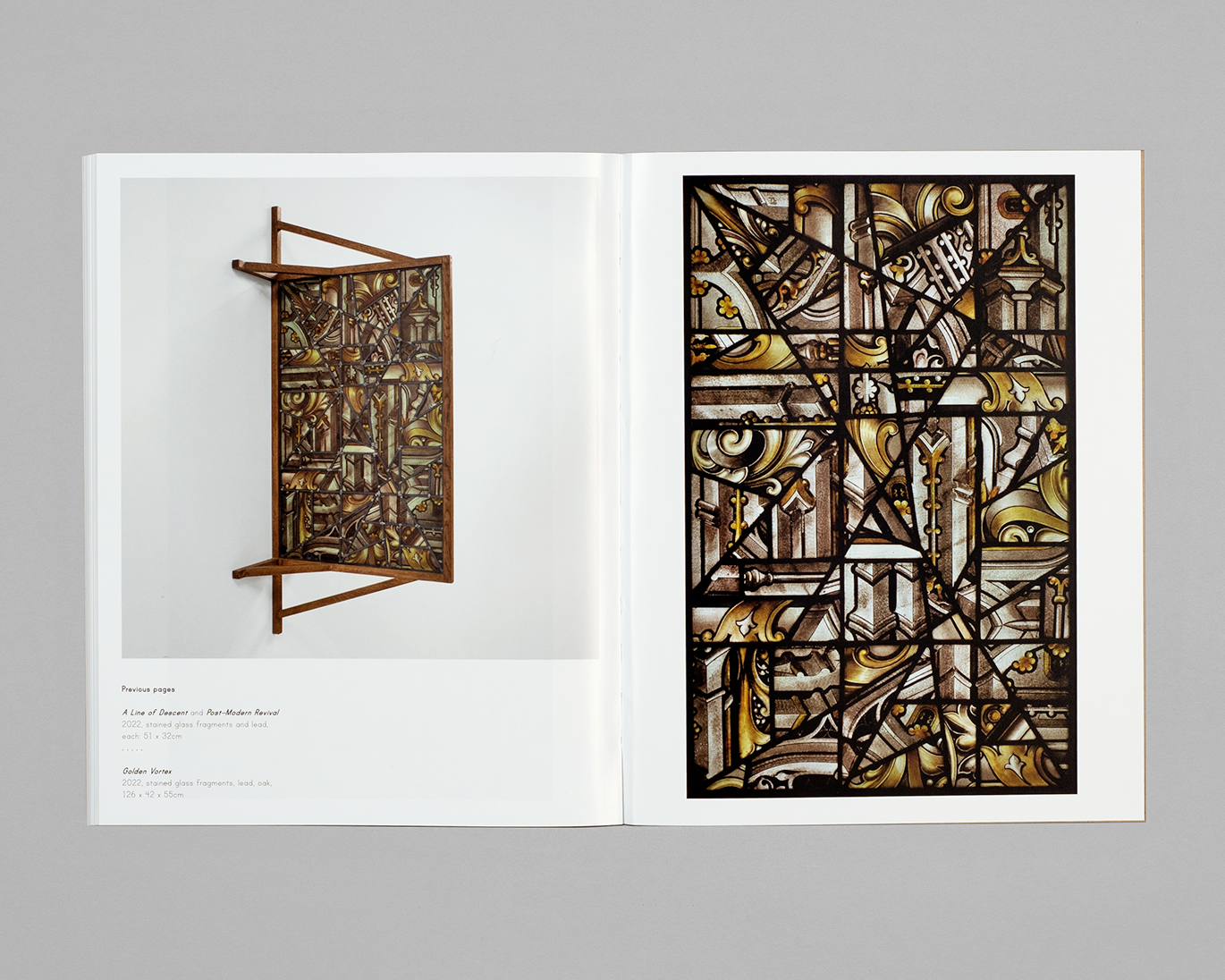
A few months ago I picked up a copy of Jonathan Michael Ray's book, UBI.UMBRA.CADIT recently published by Antler Press, down at the Tremenheere Sculpture Gardens in Penzance. Having never encountered his work before, it was a wonderful insight into his artistic practice, engaging sculpture, photography, found objects and the surrounding landscape. His engagement with religious iconography through rearranged stained glass windows and gold lettering carved into stone really reverberated with some of the themes that I've recently been exploring in my own work.
Considerations such as religion can be extremely loaded for some, but thing aspect which I found most intriguing was his willingness to use these mediums for artistic expression. That's not to deny that any of the previous iterations of these objects (or those that inspired them) weren't artistic, yet they were crafted for a specific purpose, their intention was for something with a great longevity, a symbolism that can be affirmed or denied, but as an object, something that feels like it should be maintained, preserved and kept, forever. Windows open to black and white sea views, boulders are cracked open to reveal their inscribed poetic interior. Shelves are adorned with items that speak of the natural, sublime and spiritual, so many of which appear to be found or collected, yet so intentionally placed that you can't help but sense they were born to be together.
The weight of these objects is what makes their permanence feel so at odds with their reinvented state. The physicality of the stone and spiritual meaning of the windows make us presume that they are untouchable, to remain in their given state forevermore. Jonathan's reworkings along this theme allow us to see the symbolism in a new light, they have been reframed, altered aesthetically, abstractions of a previous state (whether perceived or actual). It requires us to reassess the versions that we hold in our mind as something that may have been permanent.
Jonathan's work asks us what we perceive as permanent, what are the things that we are propped upon that will not remain?
We affirm ourselves with a sense of control, a misguided idea that once things are as we want them, they will remain like that. It is not wrong to consider what we are building, creating and offering to future generations, we can dream to create for them more than we had for ourselves, but the transitions of life continues, the flux, the grey areas, the questioning.
This article is taken from my July Mailout which also features some of my latest news and cultural highlights.
To receive it directly to your inbox each month, sign up here.
I know I've mentioned it before, but the recent book Faith, Hope & Carnage, conversations between Nick Cave and Sean O'Hagan, is such a beautiful exploration of loss, religious grappling and creative exploration. It has filled me with assurances and questions and moved me. A very special book. I was going to attempt to sum up one of my favourite sections but I really couldn't do it justice, so here's a short excerpt and I would encourage you all to find a copy for yourselves.
Sean: What do you mean, exactly, by a 'point of arrival'?
Nick: That feeling we all have at times that we have reached a certain level of self-awareness about our place in the world, a feeling that all our travails have led to this point, this destination.
And you're saying that, with hindsight, those points of arrival are deceptive?
Yes, because that sense of awareness and certainty often turns out to be just one more mistaken belief in a long line of mistaken - or discarded - beliefs. And when you are engaged in making art, that process by its nature can also continually appear to signal a point of arrival. Like, if I look back at my past work from the certainty and conviction of the present, it appears as if it was a series of collapsing ideas that brought me to my current position. And what's more, the actual point I'm looking back from is no more stable than any of the previous ones - in fact, it's being shed even as we speak. There's a slightly sickening, vertiginous feeling in all of this.
The sense that the ground is constantly moving beneath your feet?
Yes, exactly.
So how do you deal with that?
Well, I have learned over time that the creation itself, the thing, the what, is not the essential component, really, for the artist. The what almost always seems on some level insufficient. When I look back at the work itself it mostly feels wanting, you know; it could have been better. This is not false humility but fact, and common to most artists, I suspect. Indeed, it is probably how it should be. What matters most is not so much the 'what' as the 'how' of it all, and I am heartened by the knowledge that, at the very least, I turned up for the job, no matter what was going on at the time.
Even if I didn't really understand what the job was. I feel I have committed myself to the work in general, and given my best to each project in particular. There have been no half-measures, and I take a certain amount of pride in that.
So essentially what you are doing as an artist is constantly stumbling forward.
Stumbling forward is a beautiful way of putting it, Seán, but I wonder if the notion of forwardness is correct. Perhaps what I mean to say is that although we feel we are moving in a forward direction, in my estimation we are forever moving in a circular way, with all the things we love and remember in tow, and carrying all our needs and yearnings and hurts along with us, and all the people who have poured themselves into us and made us what we are, and all the ghosts who travel with us. It's like we are running towards God, but that God's love is also the wind that is pushing us on, as both the impetus and the destination, and it resides in both the living and the dead. Around and around we go, encountering the same things, again and again, but within this movement things happen that change us, annihilate us, shift our relationship to the world. It is this circular reciprocal motion that grows more essential and affirming and necessary with each turn.
Do you see this circular motion in your songs, too?
Yes, I feel as if I am perpetually revisiting or rehearsing the same concerns that have always been there, from childhood to the present day. They just keep coming around, time and time again, like a big wheel, from as far back as I can remember and into the future, but beautifully so, wonderfully so. Does that make sense?
I'll have to give it some thought.
This article is taken from my June Mailout which also features some of my latest news and cultural highlights.
To receive it directly to your inbox each month, sign up here.
Putting a book out into the world comes as a real relief. The period in which it’s released isn’t always filled with the great sense of joy and accomplishment that you might imagine. The real beauty of it is knowing that once it’s in the world that countless people can encounter and engage with your creation. They can judge for what they perceive are your intentions, or they can dig into the layers that you put between the pages. Take it or leave it. By that point, it’s not up to me. Which makes it all the more rewarding when something you’ve made gets recognised by total strangers, people who have been drawn in by elements within the work that has encouraged them to dig deeper.
Getting nominated for prizes is far from my motivation for making books, and this one is a real surprise, because I had no idea that my publisher had submitted it. What a treat to be acknowledged alongside so many other wonderful publications.
Check out the really quite extensive list of books that have been shortlisted here.
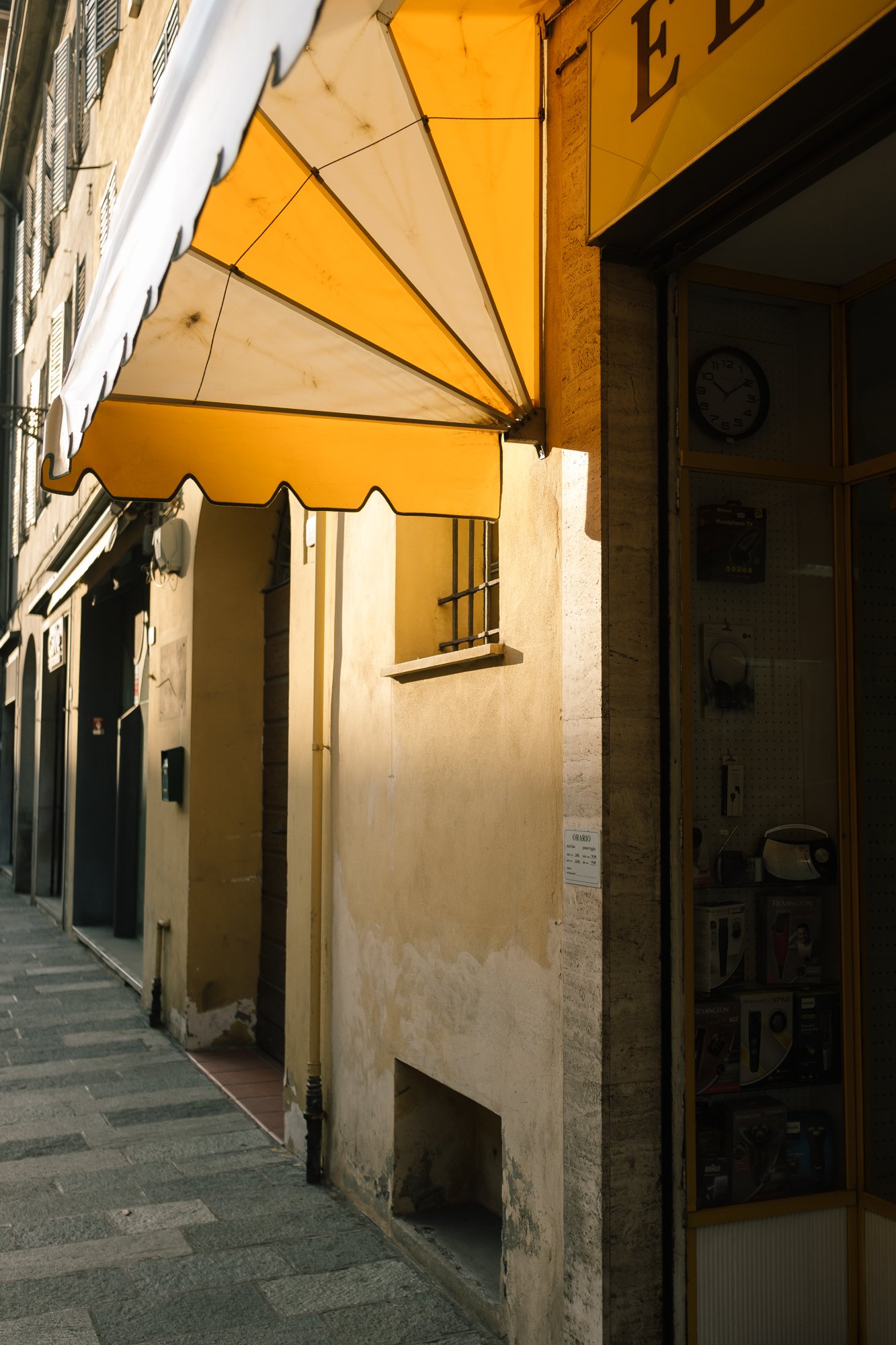
(Thanks to Sarah for the portrait, one day the world may get to see more of what a stunningly talented creative person she is.)

Do we ever dare to actually hear what we have to say to one another? Or are our minds so preoccupied with ourselves that we aren’t really listening, not because we don’t want to, but because we’re afraid to.
Listening is risky. It involves an investment of emotional energy, of empathy and understanding that perhaps in that moment we don’t feel equipped to offer, but if we don’t, we miss out. We might even be missing out on the most important thing that that person will say all day, maybe even all week. It might be a coded cry for help, an admission, an apology or something that goes on to inform the relationship, but we won’t know unless we listen and admit that if we do, there might be consequences.
Often listening is all that’s required. As an external processor, my wife knows that more often than not, all I need to do is verbalise something and that’s enough, to let the thought out and move on from there. However, sometimes we are required to actively listen and then act accordingly. It’s all too easy to hear something and park it away as if it was never said, but the foundation of a relationship and caring for someone is to have a level of responsibility for them, and sometimes that involves the risk of actually having to do something about what they’ve told you.
I’m speaking to myself as much as to anyone else, my brain seems to fizz around with so many of my own thoughts that it’s hard to switch off and not assume that whatever I’m hearing has to inform my own preoccupations. For me, I need to pursue ways in which to slow down, quieten my mind and be open and receptive to what people want to say, because how can we care for them if we don’t listen to what they have chosen to tell us.
This article is taken from my May Mailout which also features some of my latest news and cultural highlights.
To receive it directly to your inbox each month, sign up here.
My new book ‘Dear Kairos’ is out now! I’m so excited that you’ll all get to hold a copy for yourselves!
Over the next few weeks copies will find their way to regional bookshops, but for now you can get a copy directly from the publisher. It will also be available next weekend at Offprint London (Turbine Hall at Tate Modern) from the Skinnerboox table.
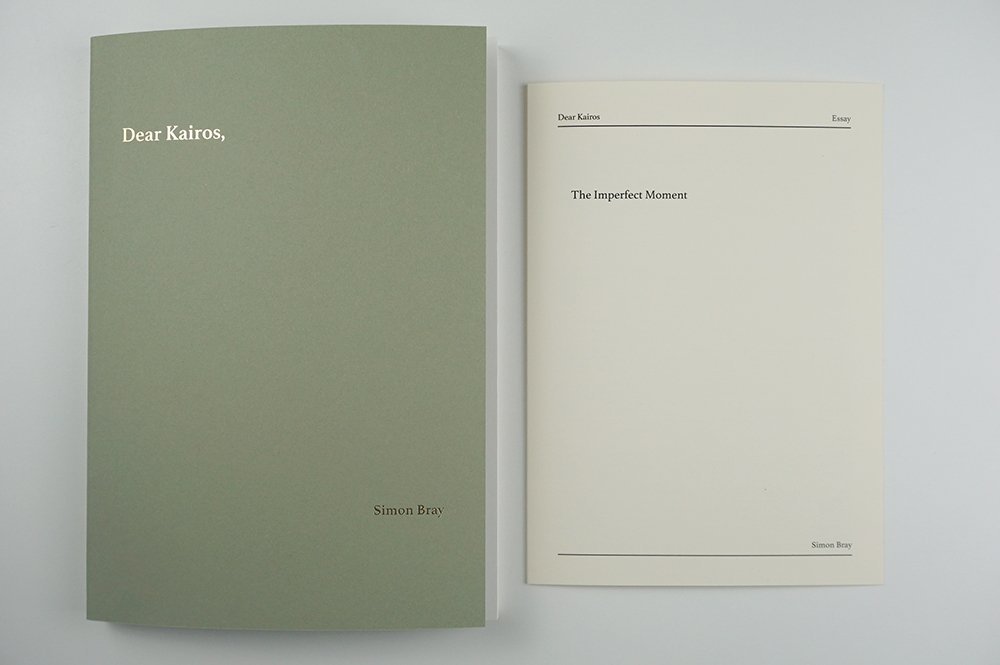
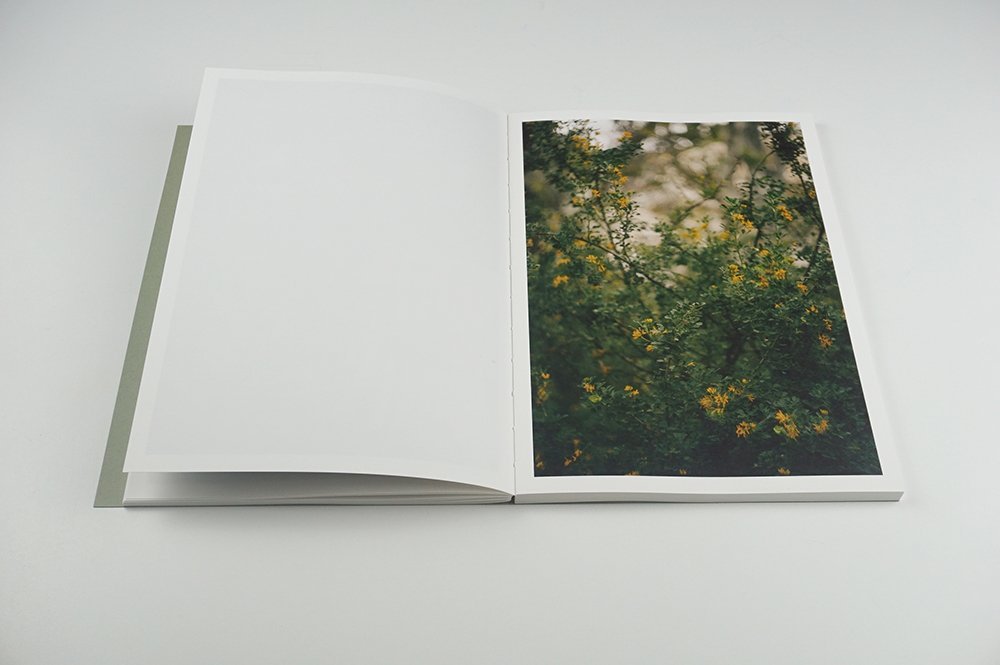
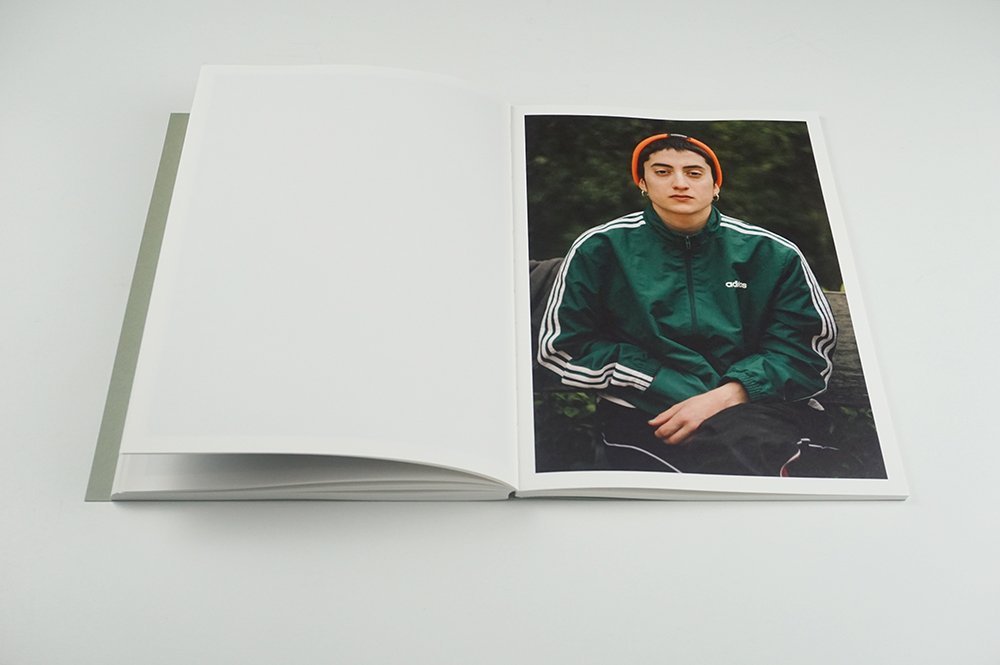
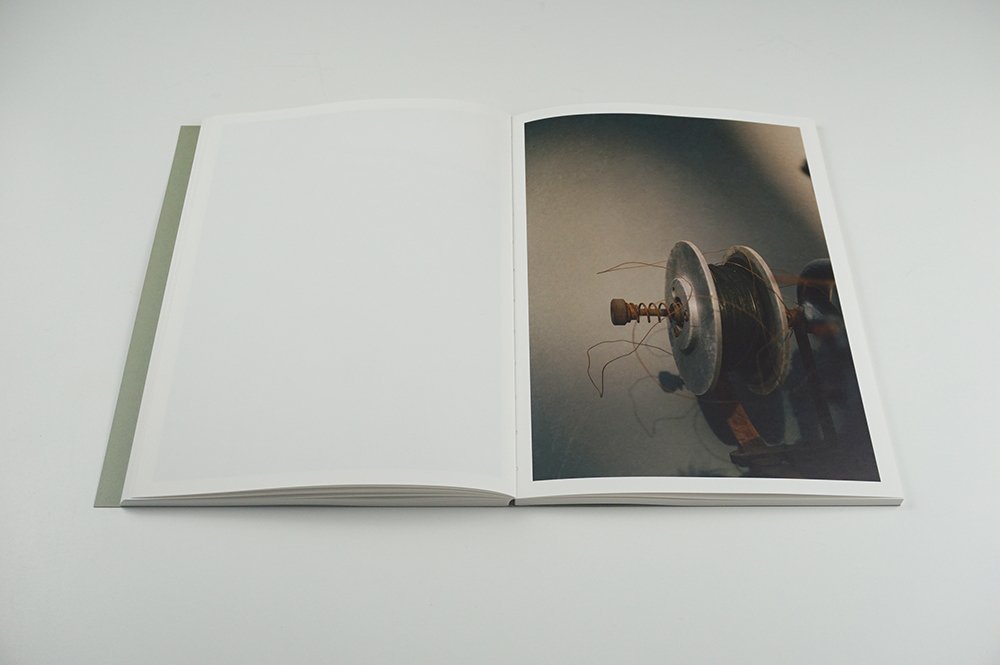
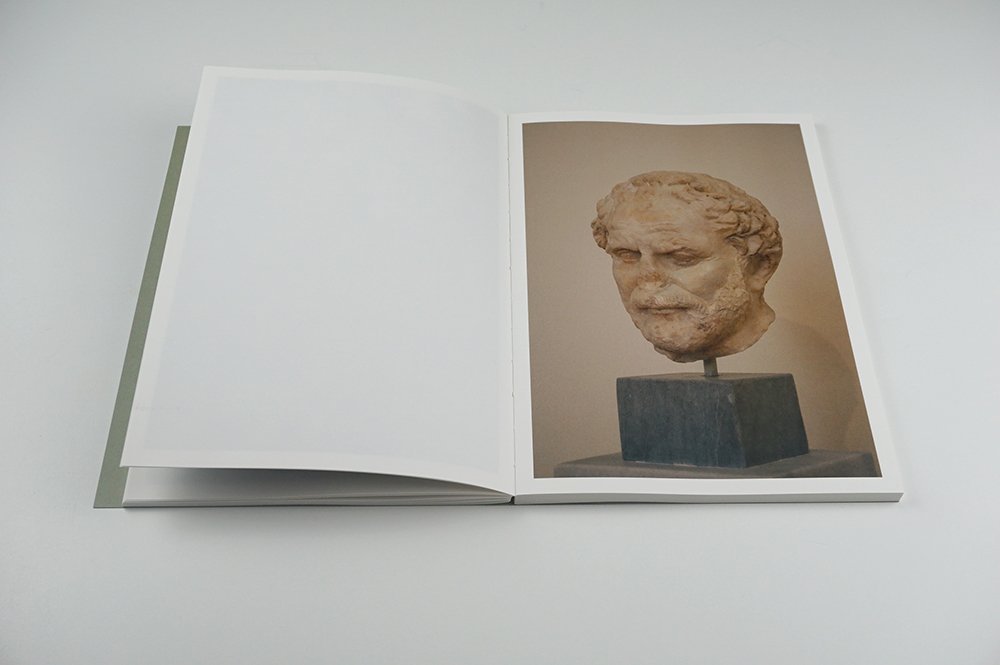
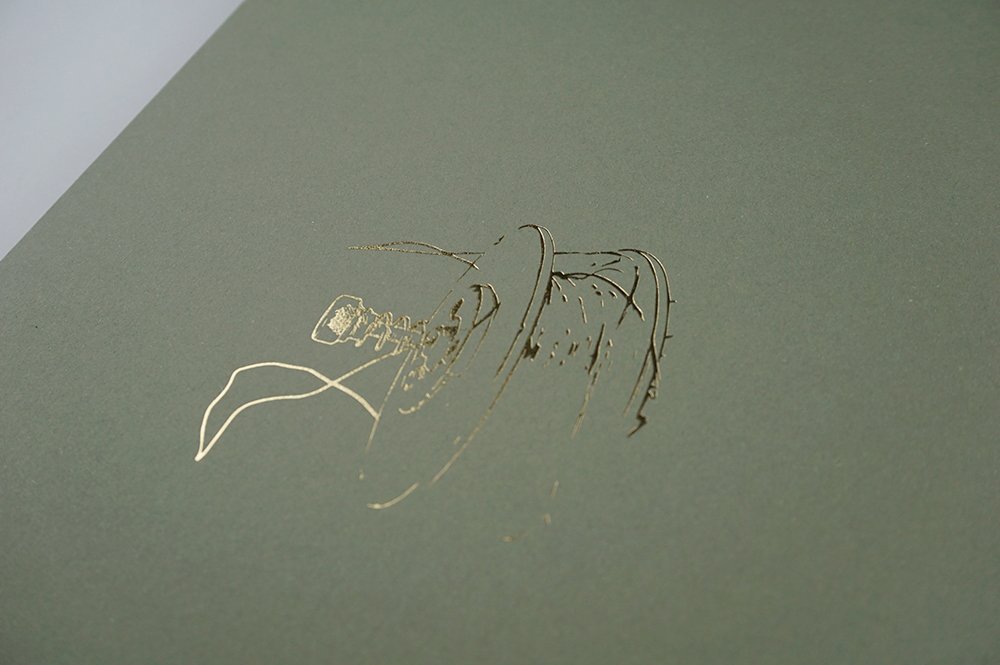
I was very fortunate to be invited to present at Fotografia Europea to talk about my new book ‘Dear Kairos’, winner of the FE+SK Book Award 2023. The book will be published by Skinnerboox and be available to order in the next few days.

I’ve recently been reading ‘The Courage to Create’ by American psychologist Rollo May. In a similar way to reading John Berger’s writing on creativity, he manages to put into words so many of the unconscious elements involved. It feels both affirming and inspiring to read what feels like a timeless assessment of what it means to create, not solely within the arts, but within the realms of science and maths, any discipline that involves a sense of discovery, of trial and error.
One of the key elements of the creative process for me is the way in which the conscious and unconscious worlds unite, something which May analyses as a moment of ecstasy involving the whole self. Ecstasy is not merely a moment of hysteria, but that of ‘ex-statis’, an intensity of consciousness which fuses the division between the person and the object, a freeing sense of standing out from a prior understanding.
Perhaps those heightened moments aren’t a daily occurrence, but his allusion is that of a heightened state, something which seemingly out of the blue offers clarity, a sense of seeing the world more vividly than before. As an artist, this is what I labour for, not as a means of gaining a temporary high, but that sense of purpose and breakthrough which allows for a greater understanding of the world.
May goes on to dissect the notions of the unconscious meeting the conscious and how ideas can seemingly pop out of nowhere, but only if the groundwork has previously been laid. He draws a link between the fruitless graft, the research and testing which seemingly always comes before the moment of revelation, which more often appear when we are disengaged from the activity itself.
Nick Cave alludes to this in his recent book of interviews with Sean O’Hagan when he comments that boredom is next to epiphany. I don’t think he necessarily means a religious moment of enlightenment, (although maybe it can feel like that at times) but more in the sense that these moments of inspiration do seem to appear when we are disengaged and doing something mundane like having a shower or doing the washing up. Our brains need space in order to process and invite these ideas in. We’re all aware that we can fill every moment with relentless scrolling, so perhaps it’s about taking more control over those habits in order to create space for our ideas to flourish.
I thoroughly recommend reading both the Rollo May and Nick Cave books as a means of understanding more about the creative act, and in particular how the conscious and unconscious worlds can unite and blossom to generate something more fruitful and beautiful than we could otherwise fathom.
This article is taken from my April Mailout which also features some of my latest news and cultural highlights.
To receive it directly to your inbox each month, sign up here.
Later this spring I’ll be joining Raymond Meeks, Federico Clavarino, Myrto Steirou (Void Books) and Brad Feuerhelm to run the Nearest Truth Workshop ‘Group K’ in Athens. The workshop will result in a collective publication which I’ll be designing, to be published by Nearest Truth Editions.
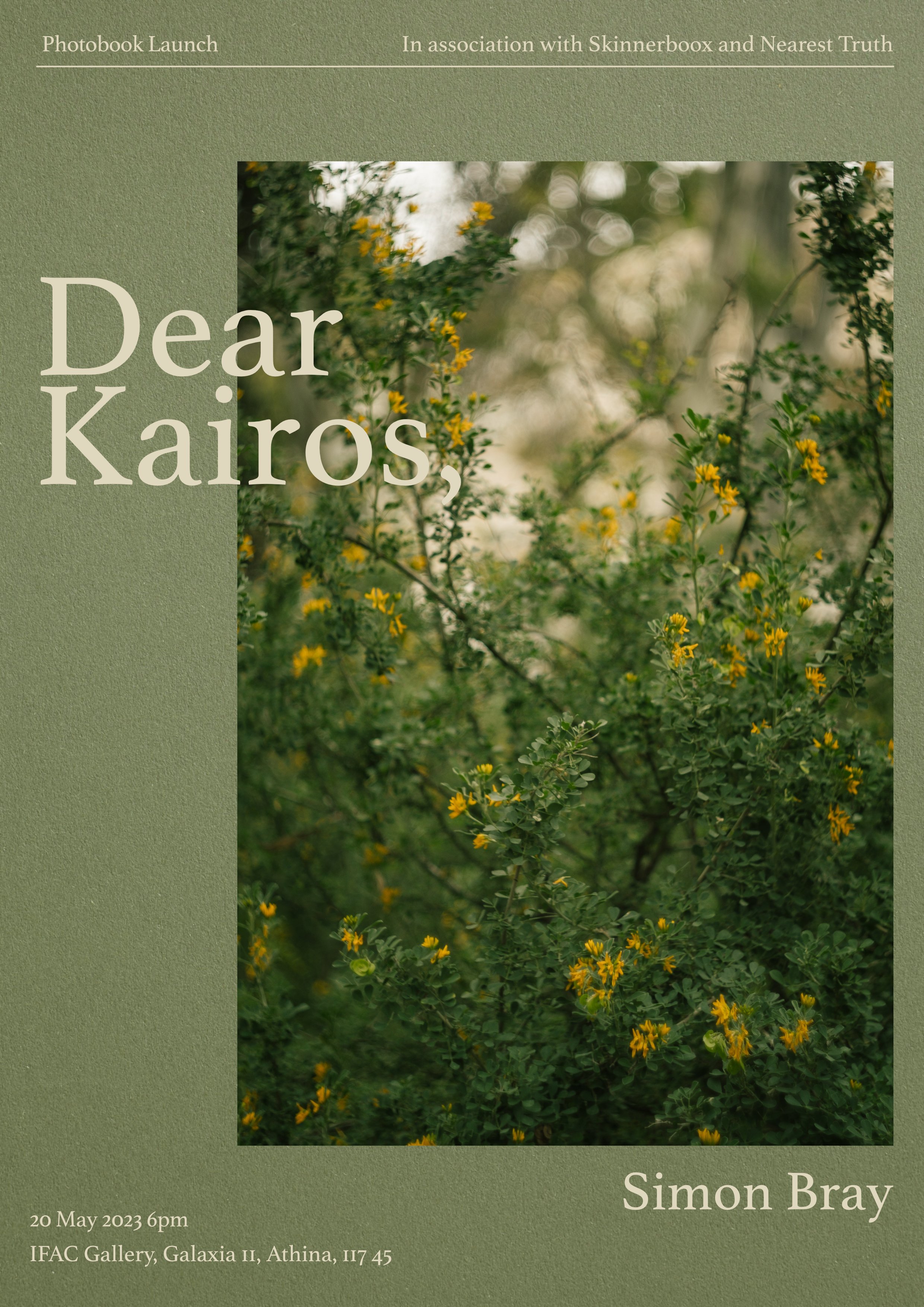
I’ll also be hosting a launch for my upcoming book, ‘Dear Kairos’ during the workshop on 20th May at the gallery, IFAC Athina.
19-24, May 2023, 5-Day Workshop - Athens, Greece, IFAC Athina
“Most of us spend our entire lives avoiding the inconvenient edges of things, places, and other people. Edges are implied at the end of things familiar. They create definitions, both good and bad. This workshop will be devoted to confronting the seams of things, the borders between two finite propositions, and their in-between points of convergence. The remit is simple: find, interfere, observe, and document any edge between two parallel possibilities. There are no limitations, just intentions.”
“The results of this workshop will culminate in a portfolio/book with all parties to be published by Nearest Truth Editions in the late autumn of 2023. On-site, we will collectively print and produce individual versions of the portfolio for participants to take home. We will employ scanners, small prints, Xerox copies, glue sticks, and different papers. We will use local copy shops, and participants will be encouraged to bring new materials, printing substrates, etc., to the table.”
You can find out more and apply here: www.nearesttruthworkshops.com/photoworkshop
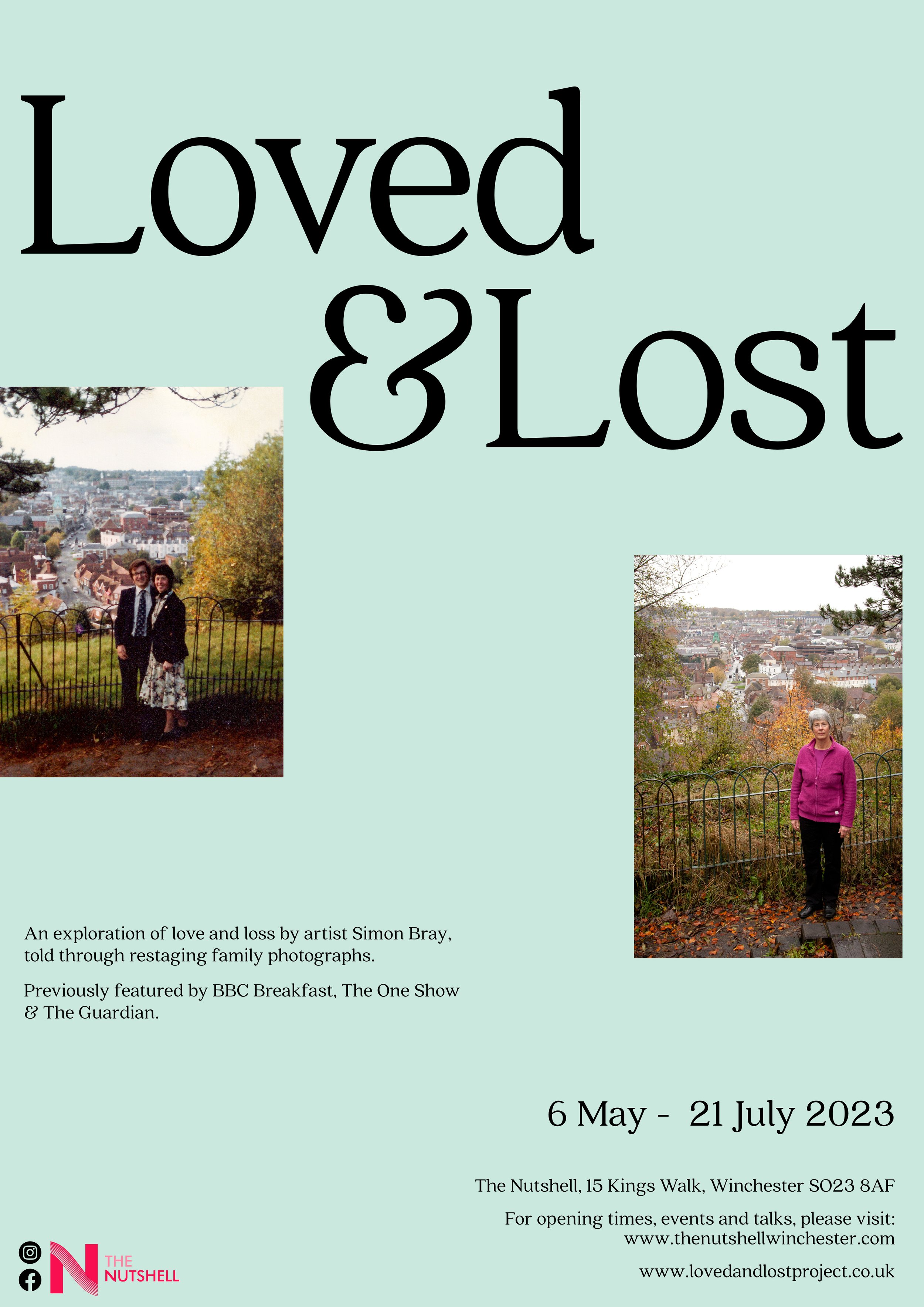
I’m showing a series of stories form Loved&Lost with the lovely guys at The Nutshell in Winchester, back where the project began nearly 10 years ago.
There’s an opening night event on 5th May at 5pm. You are very welcome to join us, simply sign up at the link at the bottom of the event page: https://www.thenutshellwinchester.com/shows-and-events/loved-lost
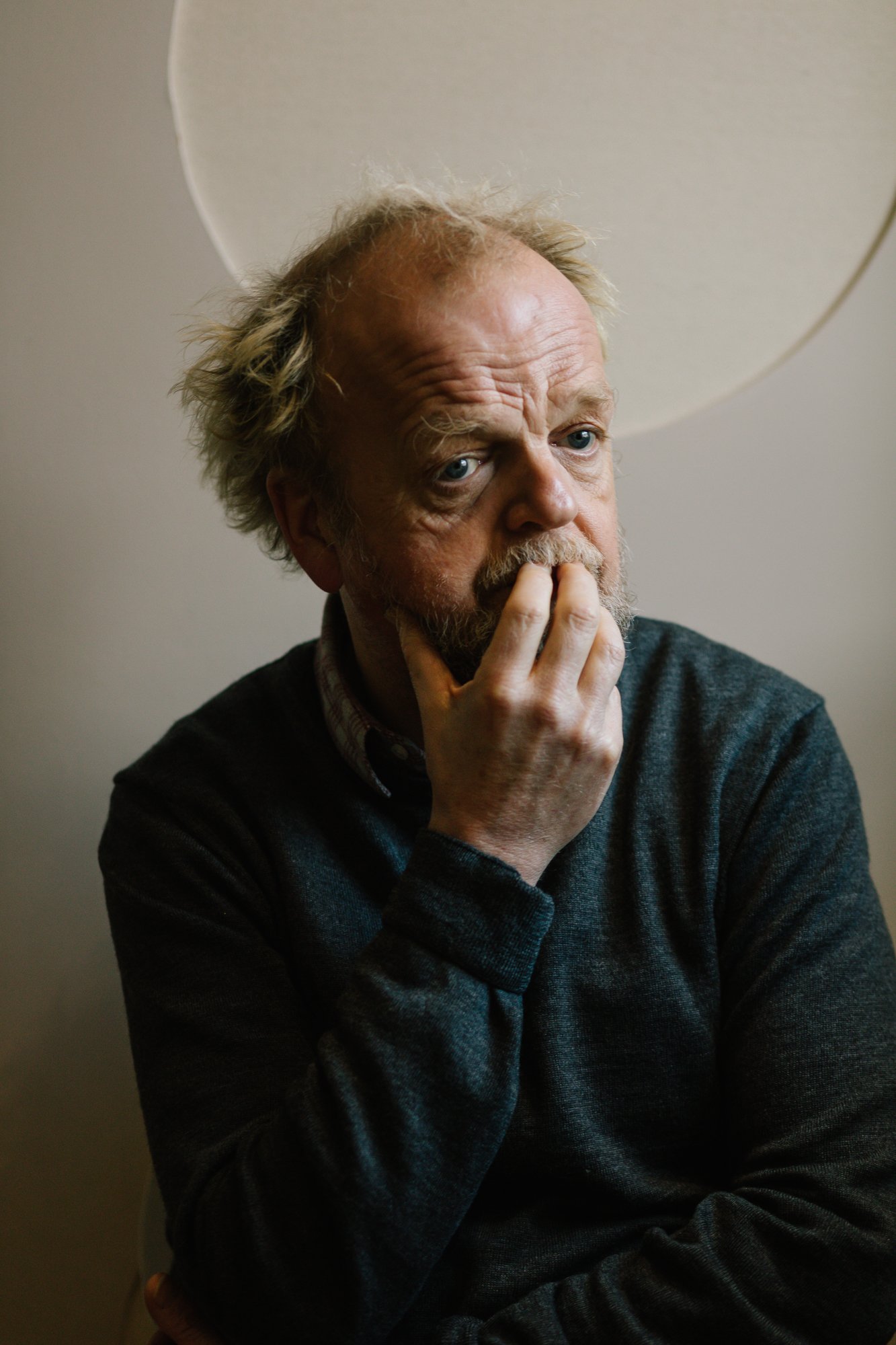
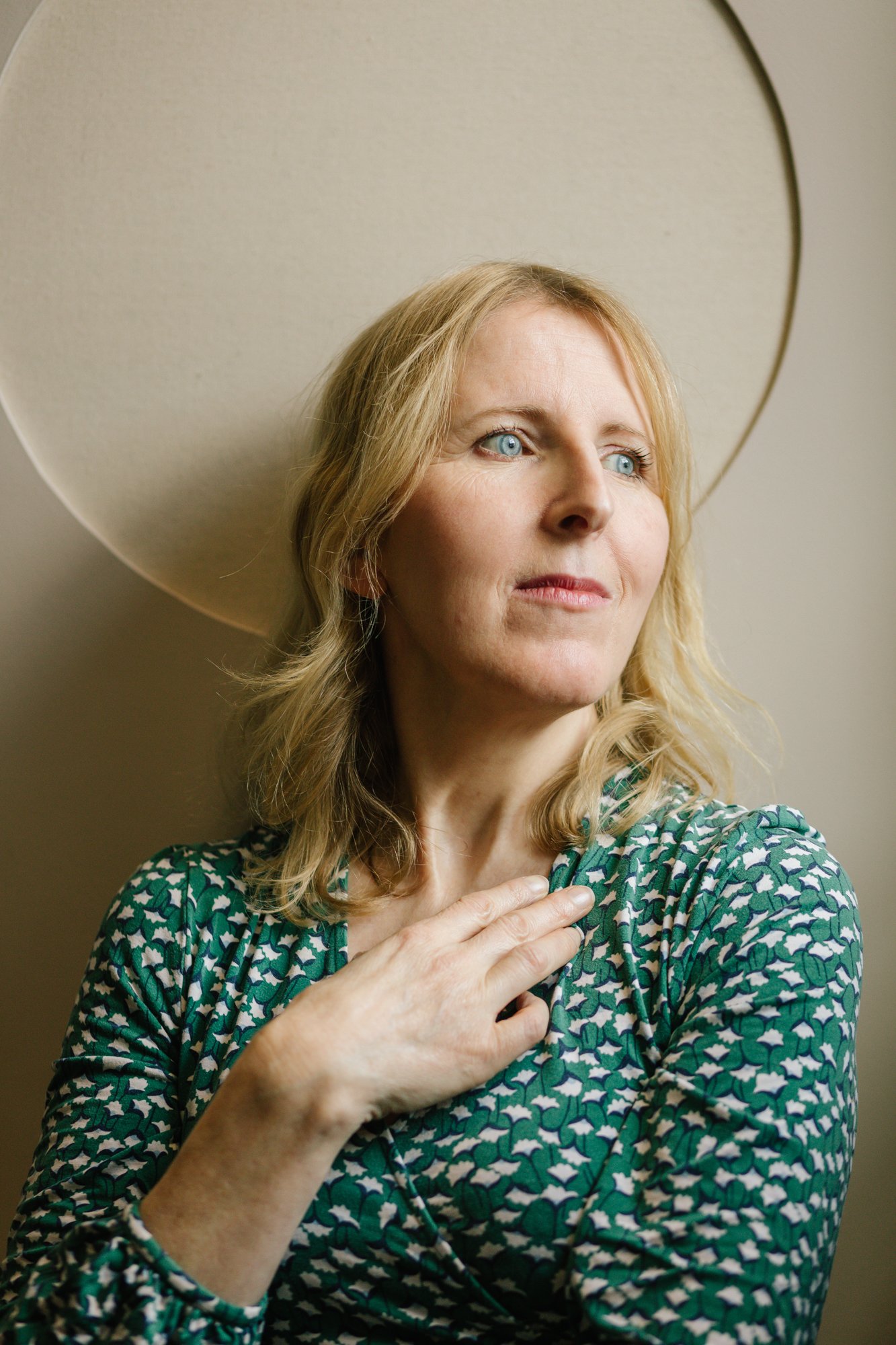
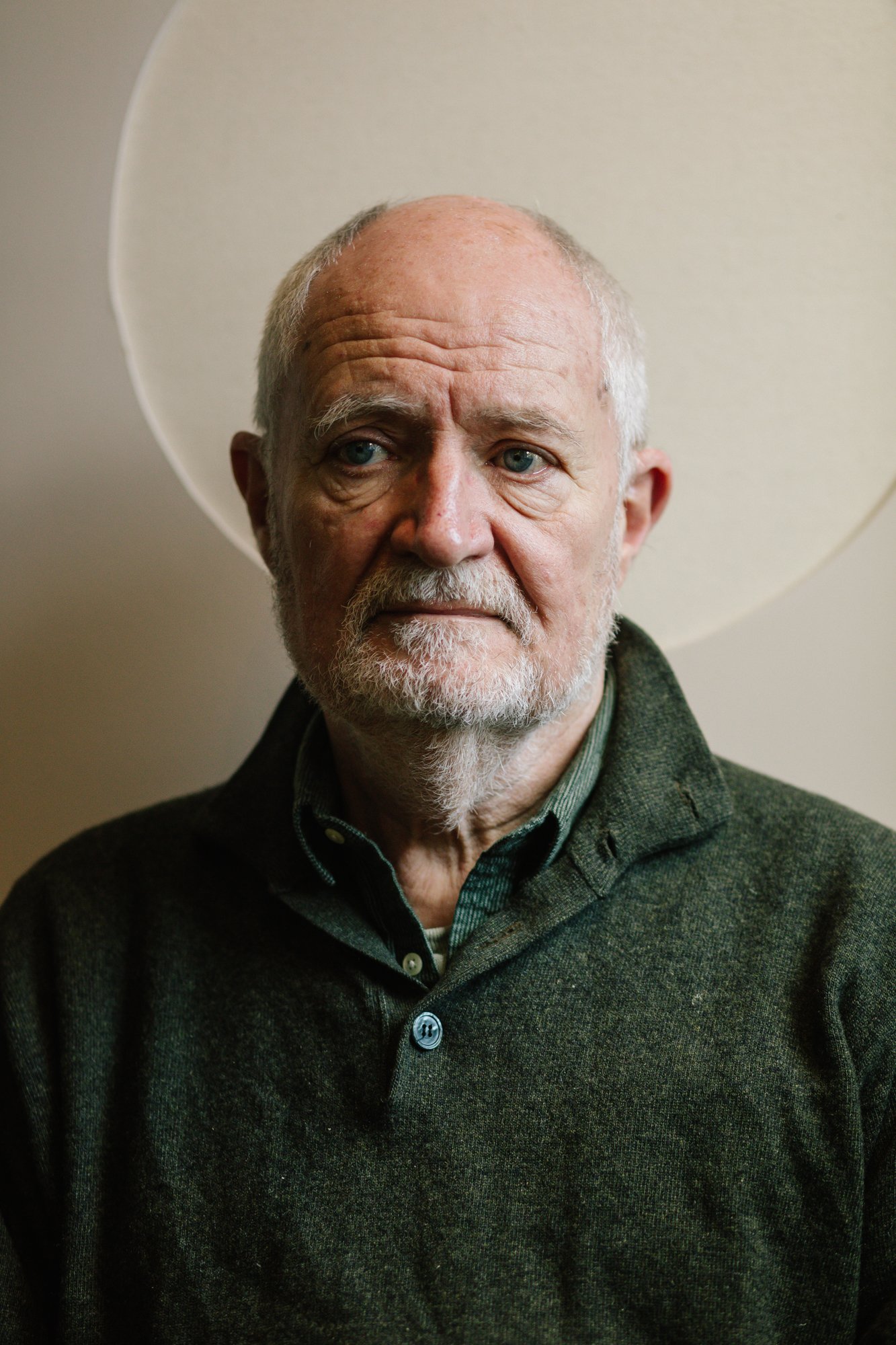
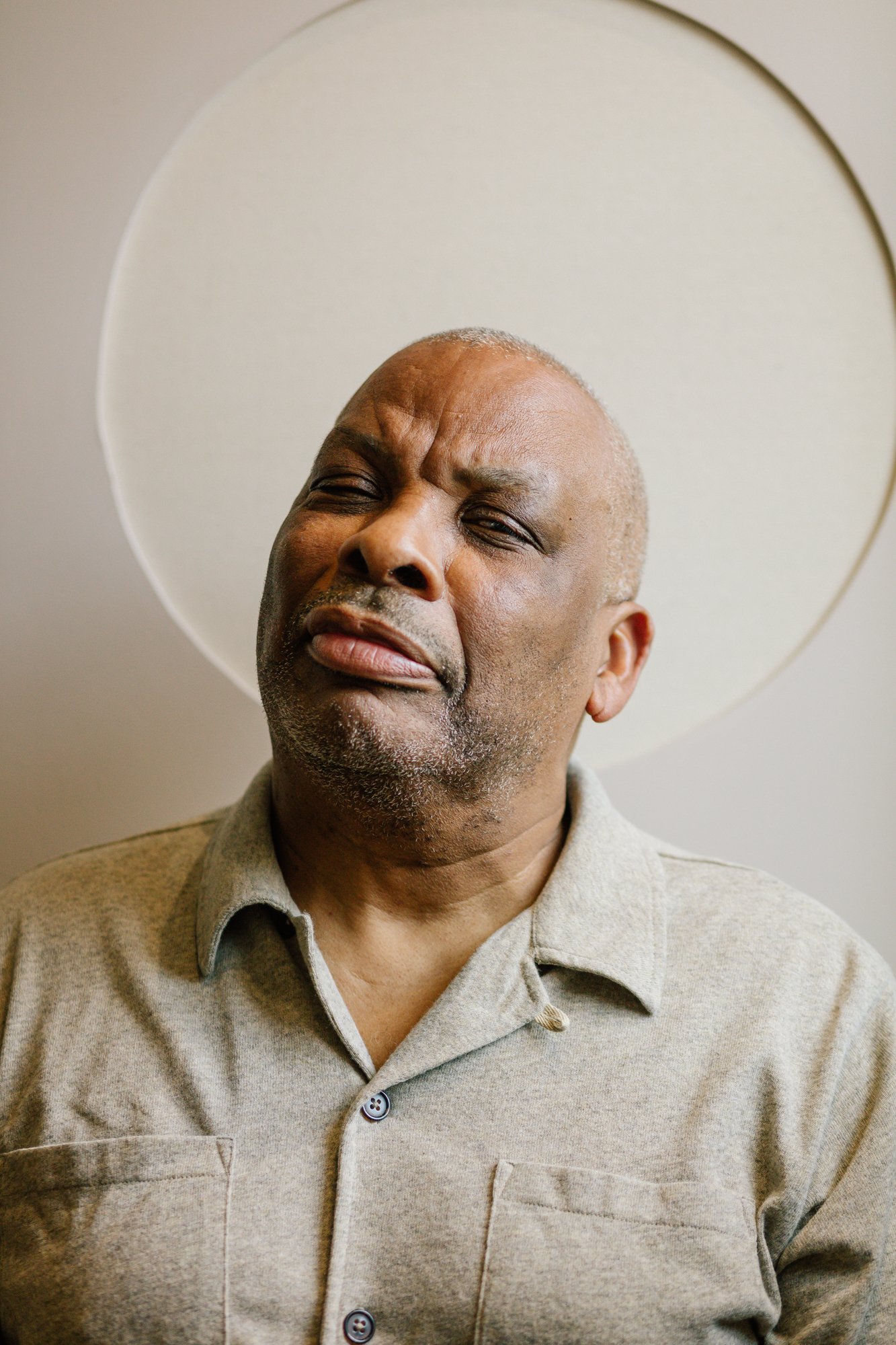
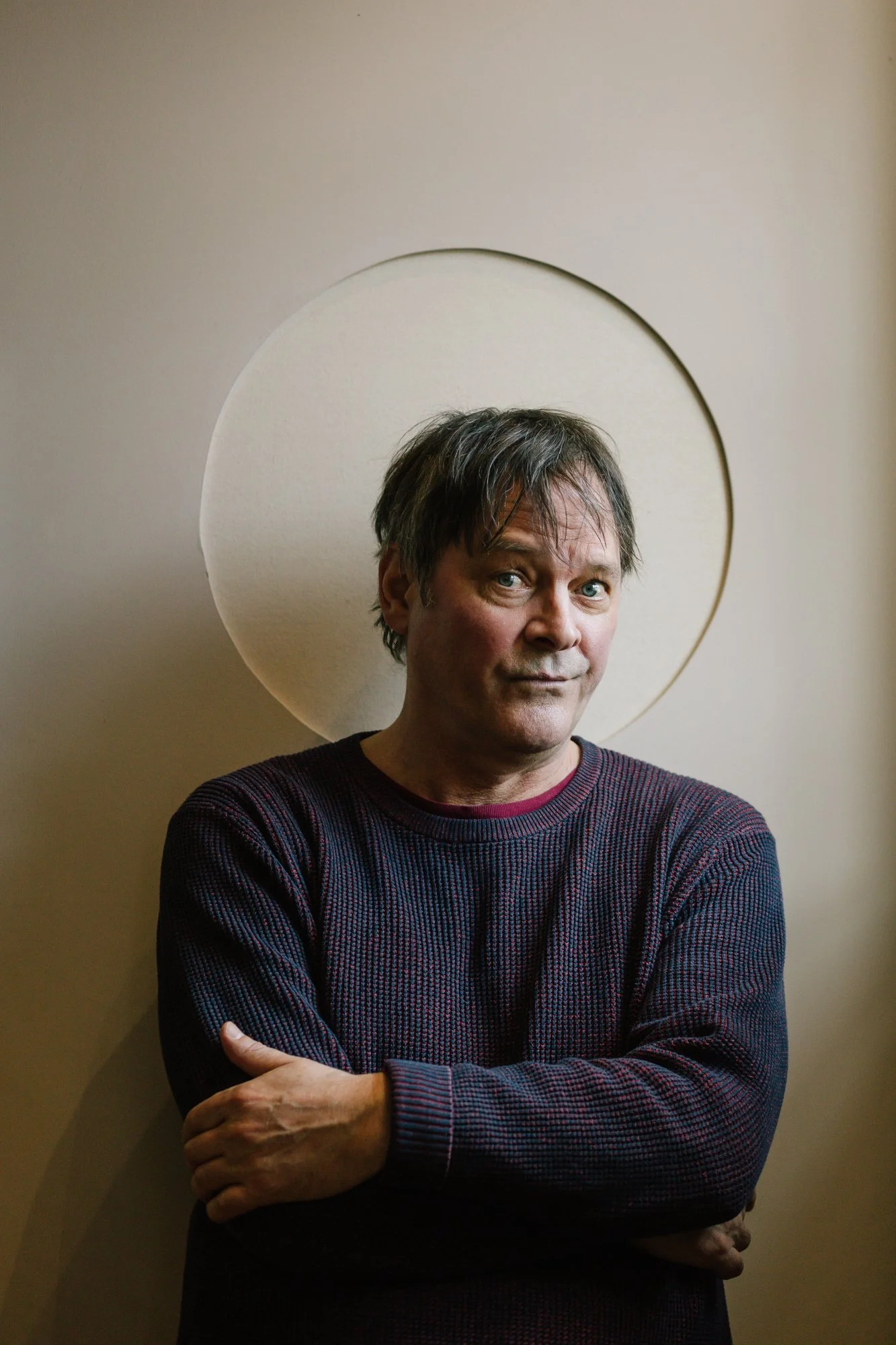
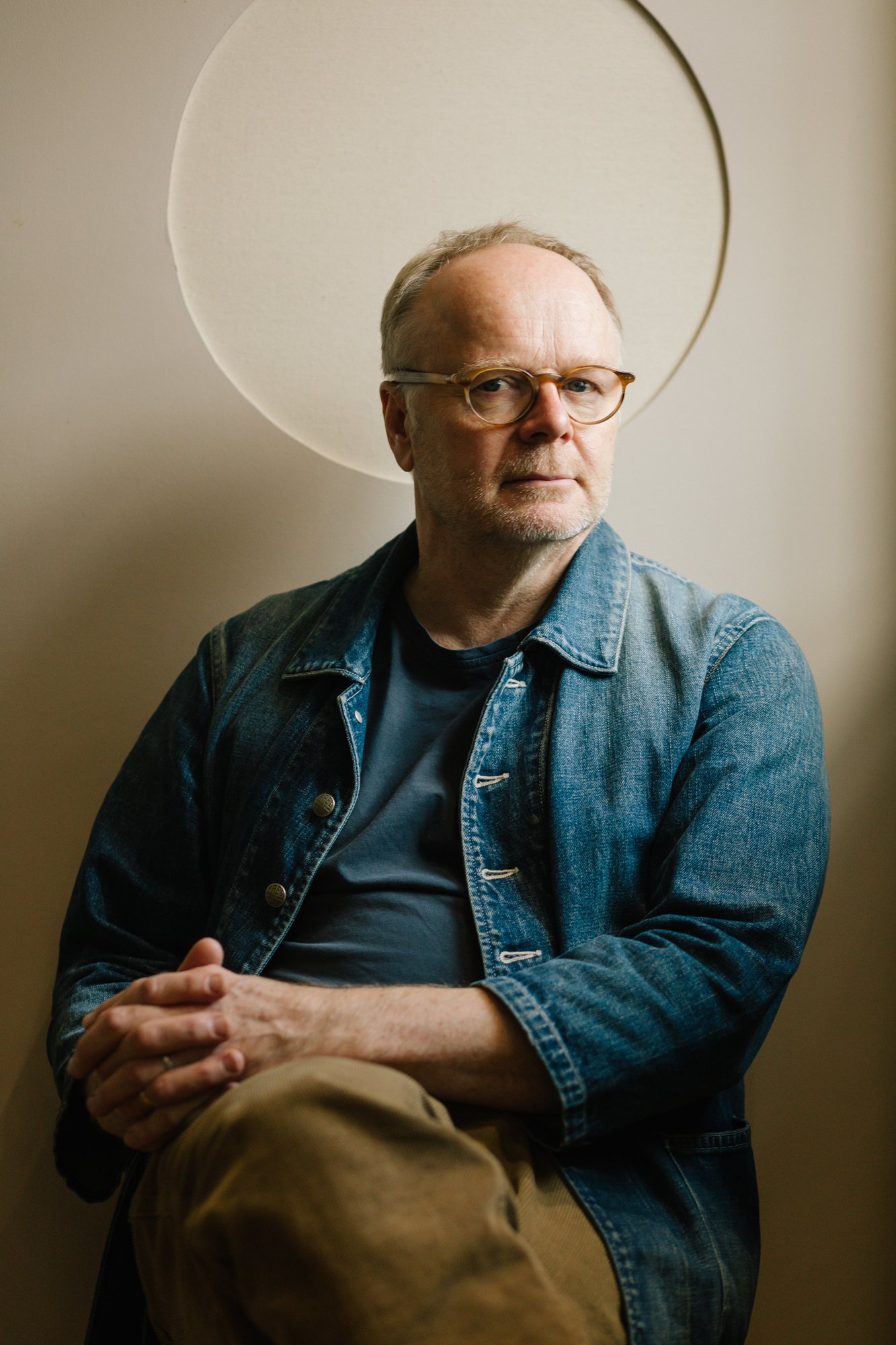
I had the pleasure of being invited by Naked Productions to photograph the cast for their latest radio play, Alan Bennett's drama Kafka's Dick, a play about the nature of fame, and how reputation is gained, with an all star cast featuring Toby Jones, Jim Broadbent, Fenella Woolgar, Mark Heap, Don Warrington and Jason Watkins.
It was a real treat to meet and photograph them all, to ask Mark Heap about his part in one of my favourite shows, Look Around You, and chat to Toby Jones about Detectorists and how good This Country is.
You can catch the play on Sunday 2nd April at 20:30 on BBC Radio 3.
We can find out anything we want, whenever we want. As a child, if I wanted to find out a fact I couldn’t just google it, I had to either look it up in a book or ask someone I knew. Not only are the processes of reading or conversation far more mentally engaging (the chances are I would have found out far more in terms of the context of the fact), the lack of an instant answer required me to hold onto the burning question until I had the right means to ask it. This is an invaluable filtering process by which the question would decide for itself whether it was important enough to remember, and occasionally I’d work out an answer for myself before I had a chance to ask something.
We are also living through an age which asks us to be certain. Politically, culturally, relationally, we are pushed towards polarising opinions over topical issues for which we are deemed to be on one side or the other. The internet necessitates instant responses, so the space and time for consideration and nuance feels like it is no longer there.
The space for uncertainty is slowly being erased by technology and our political climate, which in some ways, I really don’t mind, because I find uncertainty deeply stressful. I crave completion and order, knowing that tasks are done and things are in their rightful place. Living with uncertainty wears me out, but I have to remind myself that creatively and spiritually, it’s quite often when I’m within that uncertain space that I’ll find out that there’s a deeper vein of interest than I originally considered. Sometimes it’s necessary to wrestle with the uncertainty in order to break away from the path we would have otherwise taken to find a greater freedom. That isn’t always pain free or easy, but it’s a means to learn and grow.
I remember as a teenager having a conversation with a youth leader. I arrived with an abundance of huge burning questions that I wanted answers to in order to set down the foundations of my life (we all went through that right?!). We sat for hours discussing all these topics which I presumed, as an older and wiser person in a position of leadership, he would have all the answers for. His response to so many of my huge questions was simply, “I’m not sure” or “Let me go away and think about that and I’ll come back to you." It was the most freeing and beautiful response he could have given. I wanted certainty, control and solidarity, but in his wisdom, he knew that often the truth is in the searching, within the not knowing. It’s where belief, faith and trust are required, not as a test, but a step into that which is unknown as a means of growing and learning.
He didn’t offer me certainty because life doesn’t either. In fact, the mystery, beauty, elegance and coincidence of life seem to happen when I step out onto the path less trodden, when I remove predictability. As uncomfortable as it can be, this freedom gives me space to listen to what my heart is yearning for, to what my body is asking of me, to consider what I’m feeding myself and in return how that all reveals itself within how and who I am.

This article is taken from my March Mailout, which also features some of my latest cultural highlights.
To receive it directly to your inbox each month, sign up here.
Rather than writing something myself this month, I’ve decided to share an excerpt from ‘The Passengers’ by Will Ashon. It’s an exquisite collection of responses from anonymous members of the public from across the UK, offering individual perspectives, experiences and secrets, things that unite us, things that make our lived experience unique. I've no idea who the author of this quote is, but it really resonated with me. I highly recommended picking up a copy of the book.
"There's a quote that I really like and I can’t remember who it’s by, but it’s by a snooty foreigner who said that the English don’t like music, they just like the noise it makes. I think that completely describes my relationship with music. I have no understanding of music, but I do like the noise it makes. And I feel the same about photography. I don’t understand photography in a way that a university-educated person might, but I like the way it looks, and I don’t think that’s a flippant thing to say about either of them, actually. The thing I like most about music is its timbres - it’s the textures, it’s the surfaces, it’s the way that this incredibly abstract art form can change your state of mind and get you into worlds that don’t exist. Just a load of waveforms in the ether. And exactly the same is true of photography, whether it be abstract or not - patters on a screen or a piece of paper, textures and colours and things that are not that dissimilar from sounds can get you into a space that nothing else can."
"One of the things I say about photography is that if it’s not better than being there, it’s not worth it. So if it’s just a record of an instant, if you’d been there you would’ve seen that. Fine, great, there’s a place for that. But photography at its finest is when it adds something that ind of wasn’t there-although obviously it was there cos it’s just a photograph. When you put things in a frame, when you cut around experiences, that makes it different. It’s about the totality in a way, isn’t it, That everything in that picture is meant to be there. In the same way that everything in a piece of music is meant to be there, even if it’s improvised and there’s accidents and all the rest of it. There’s still a reason why those fluffed notes are there and that’s part of it. And the same for photography. It’s absolutely fine for it to be messy round the edges, or wonky, or whatever. It’s an editing process."
"In a photograph, or in a piece of music, all well-created textures are beautiful. You can take a photograph of something horrible and you can make it beautiful through the textures, and the same is true of music. You can get some really harsh, horrible sounds and you can mash them together in some horrible ways, and it has a beauty. And if you can hold the space, as it were, then you can enjoy and appreciate the texture of any photograph - any good photograph, whatever that means. And I guess, if you wanted to be philosophical, you could say the same thing about life, although obviously it’s an awful lot harder when it’s punching you in the face and it hurts than when it’s a piece of paper, or some waveforms. But there is a beauty to all of it, even the stuff that really seems like it isn’t."
This article is taken from my February Mailout, which also features some of my latest cultural highlights.
To receive it directly to your inbox each month, sign up here.
I'm very pleased to share that I'm the recipient of the Fotographia Europea + Skinnerboox Book Award 2023!
My book, 'Dear Kairos' will be published in an edition of 500 with Skinnerboox and will launch during the opening days of Fotografia Europea, in Reggio Emilia on 28-30th April.
A huge thank you to the jury, Chiara Capodici, Tim Clark and Milo Montelli for selecting my book dummy.
Dear Kairos is a very solid and well-constructed work. It is an attempt to reflect through a sequence of images on the deeper nature of photography, using a place as a pretext and as a starting point to carry out an investigation into the role of the photographer and how this can influence the determination of external and internal events. The way in which the images dialogue with each other allows the viewer to be an active part in the flow of the sequence and to question himself in turn about his own role, consequently also generating an important reflection on the relationships between the photographic medium, representation and the passage of time.
Now just the small matter of getting it ready for printing!